Myths about Plastic Pollution
BY Ellie White | OCEAN GENERATION | MAR 28th 2019 | 4 MINS
This article originally appeared on www.oceangeneration.org
Breaking down the myths about plastic pollution
There are many plastic pollution myths floating around out there. We are here to dispel the myths about plastic and provide the plastic pollution facts.
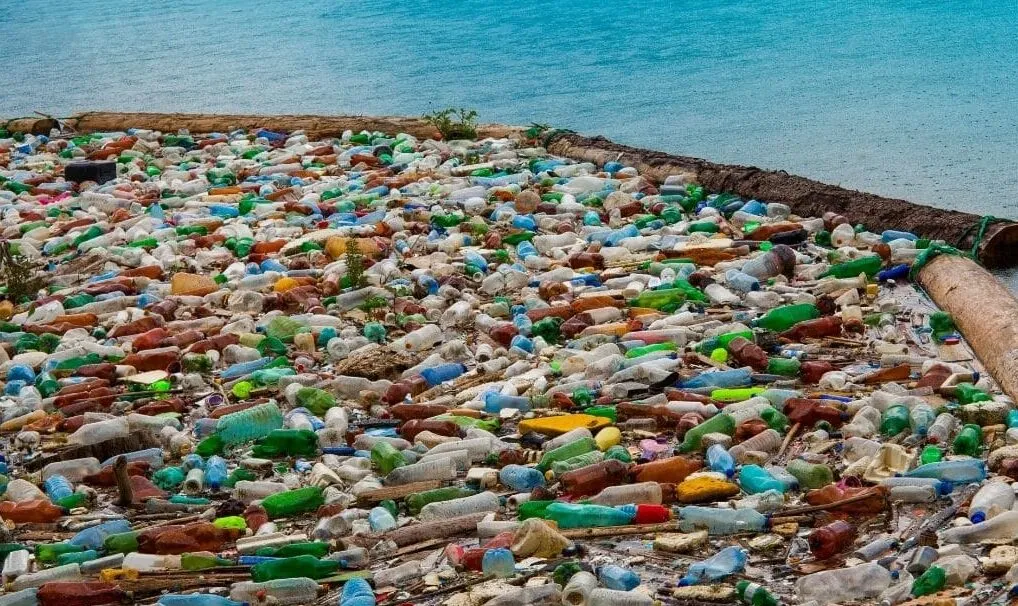
1. ‘There is a huge floating island of plastic out in the Pacific Ocean, 3 times the size of Texas called, ‘The Great Pacific Garbage Patch’
Simply, there isn’t.
There is no solid floating island of plastic in the Great Pacific Garbage Patch. Debris is dispersed through a large area: small particles can be difficult to see, while larger items, including fishing nets, are visible. Surface observations and net samples capture different parts of this mixture. (Lebreton et al., 2018)
- ‘A plastic bottle will take 450 years to break down’
There is no single breakdown time for all plastics. Polymer type, sunlight, temperature and other environmental conditions matter. Fragmentation into microplastics is different from complete biodegradation or mineralisation; a smaller fragment has not simply disappeared.
These statistics come from old educational materials released by the American National Oceanic and Atmospheric Administration. The original source adds the caveat that “many scientists believe plastics never entirely go away. These decomposition rates are estimates for the time it takes for these items to become microscopic and no longer be visible”.
As well as oversimplifying the risk, this irresponsibly ignores the threat of microplastics. Many conventional plastics persist for a long time under marine conditions; calling them indestructible is nevertheless inaccurate.
- ‘By 2050 there will be more plastic than fish in the Ocean’
The 2016 comparison used an estimate of 812 million tonnes of fish biomass, drawing on the 2008 study and Ocean Conservancy’s 2015 assessment. This statistic assumes that fish stocks will stay constant until 2050. This is incredibly unlikely due to pressures from overfishing, climate change, and plastic pollution itself.
Our concern is that we are destroying the deep Ocean bed before we even begin to know and understand the marine life there as new species are being discovered all the time.
The widely cited 2050 comparison is a scenario based on assumptions about plastic accumulation and fish biomass, not an established date when plastic will outweigh fish. It does not justify predicting an earlier crossover. Preventing plastic leakage remains important without treating that comparison as certain.
4. ‘We should replace tarmac with recycled plastic for our road surfaces’
This is a measure supported by some of the biggest producers of plastic waste, yet it is rife with risks.
Studies have already revealed that the second biggest input of microfibres into our Ocean are the fibres that come from car tyres. How might that increase if we start covering our roads with plastic too? Research is only beginning into the nanoplastics in the air that we breathe. How might vast stretches of plastic-covered roads contribute to these, especially on hot days?
If you would like to read more interesting articles on this topic, please visit the Ocean Generation Blog.
Explore more: