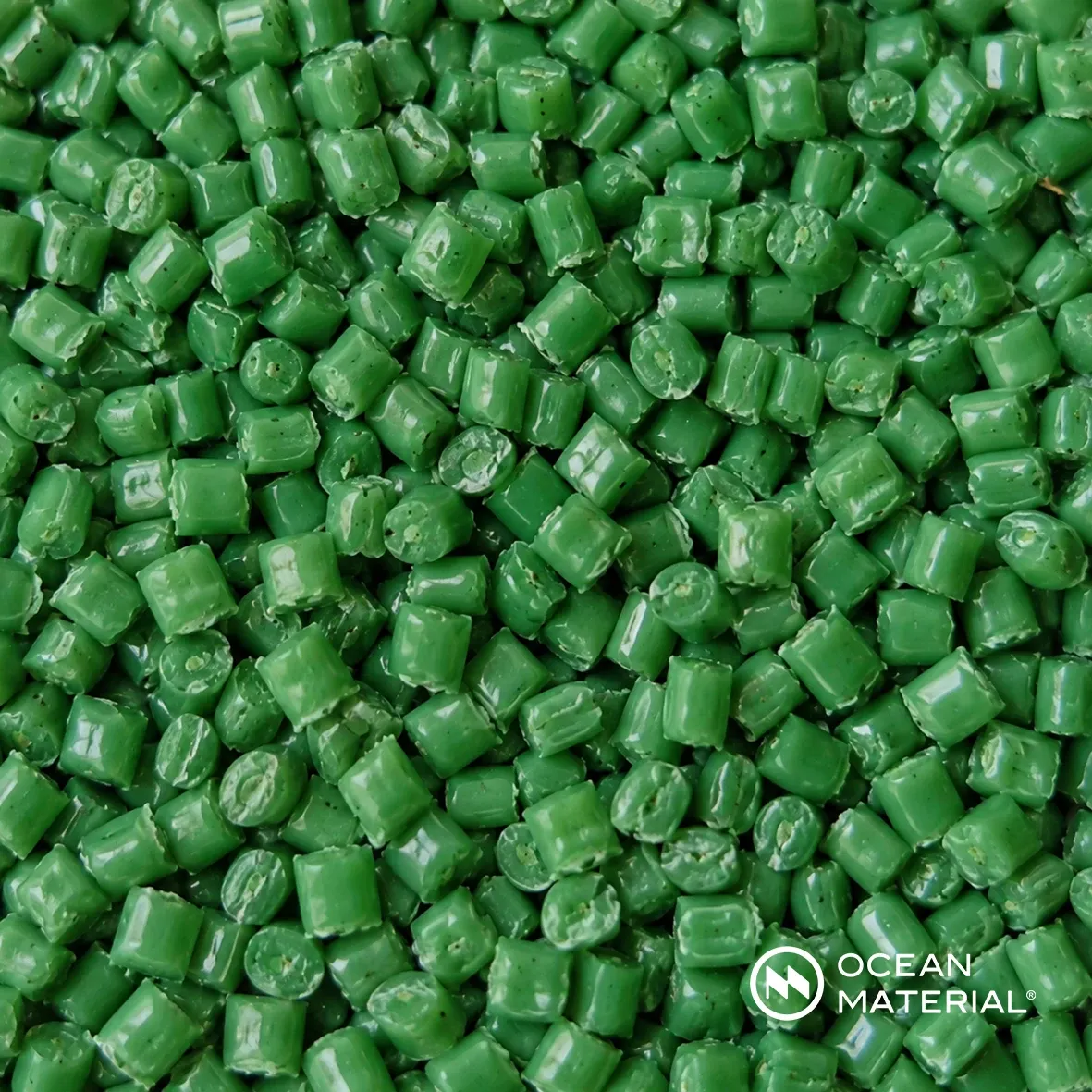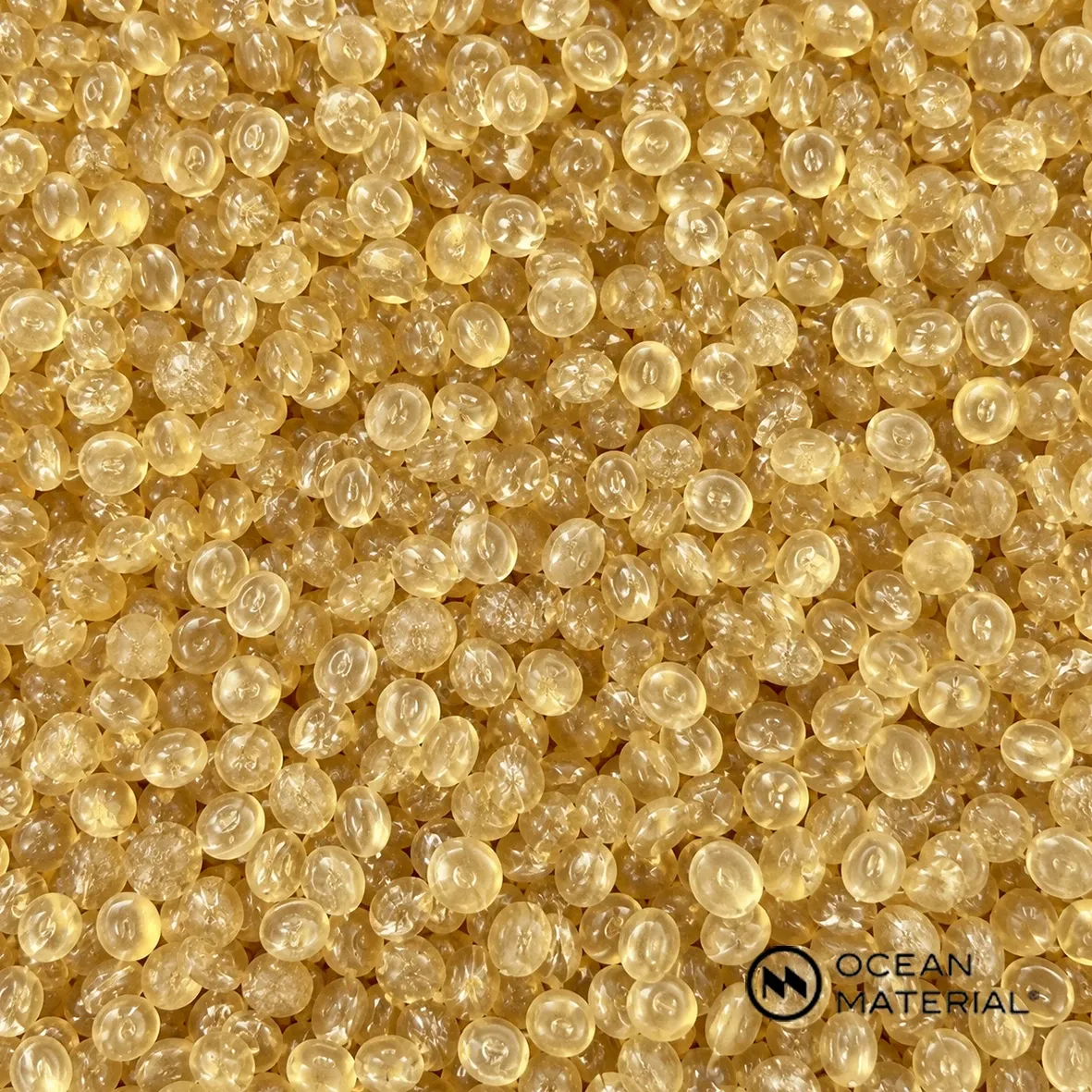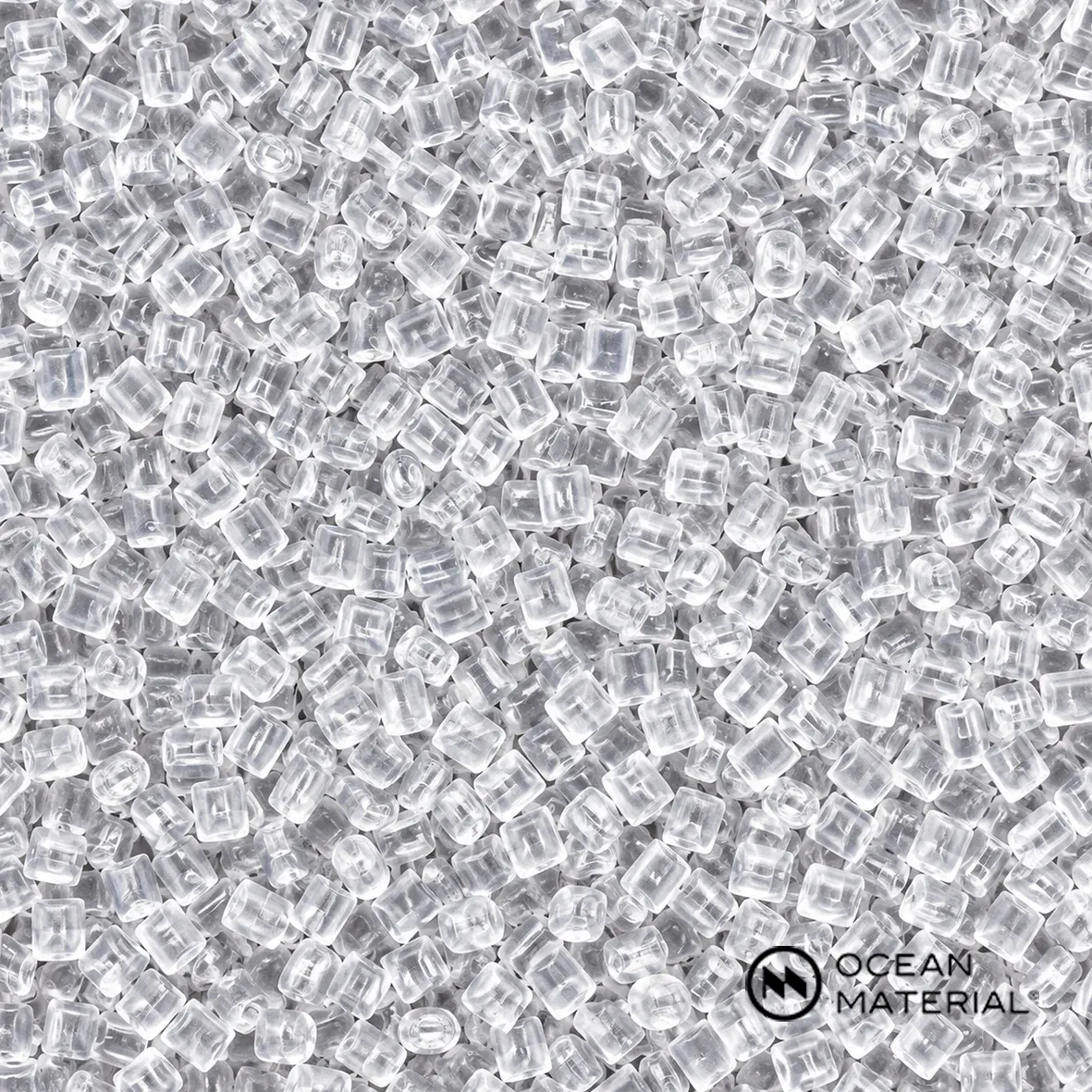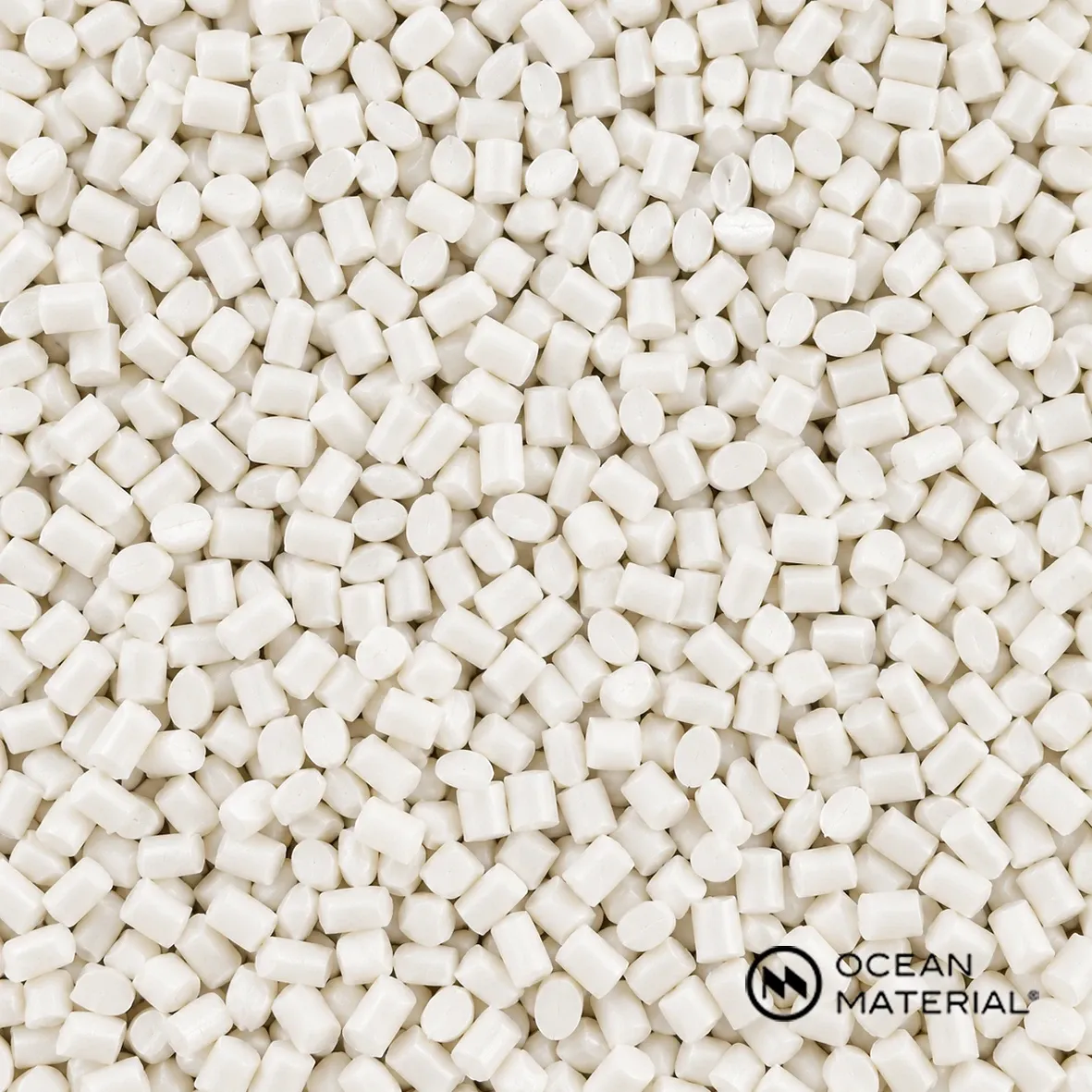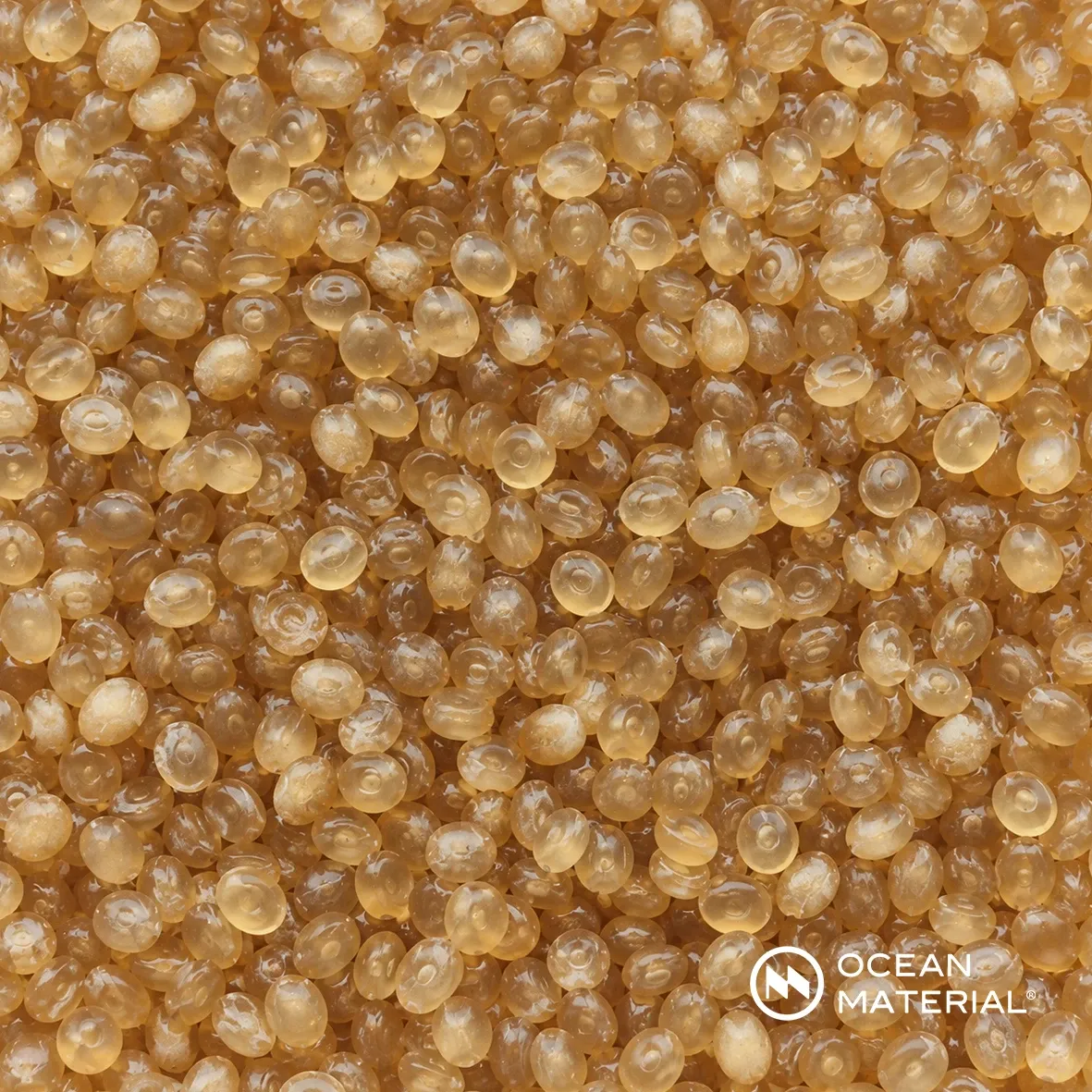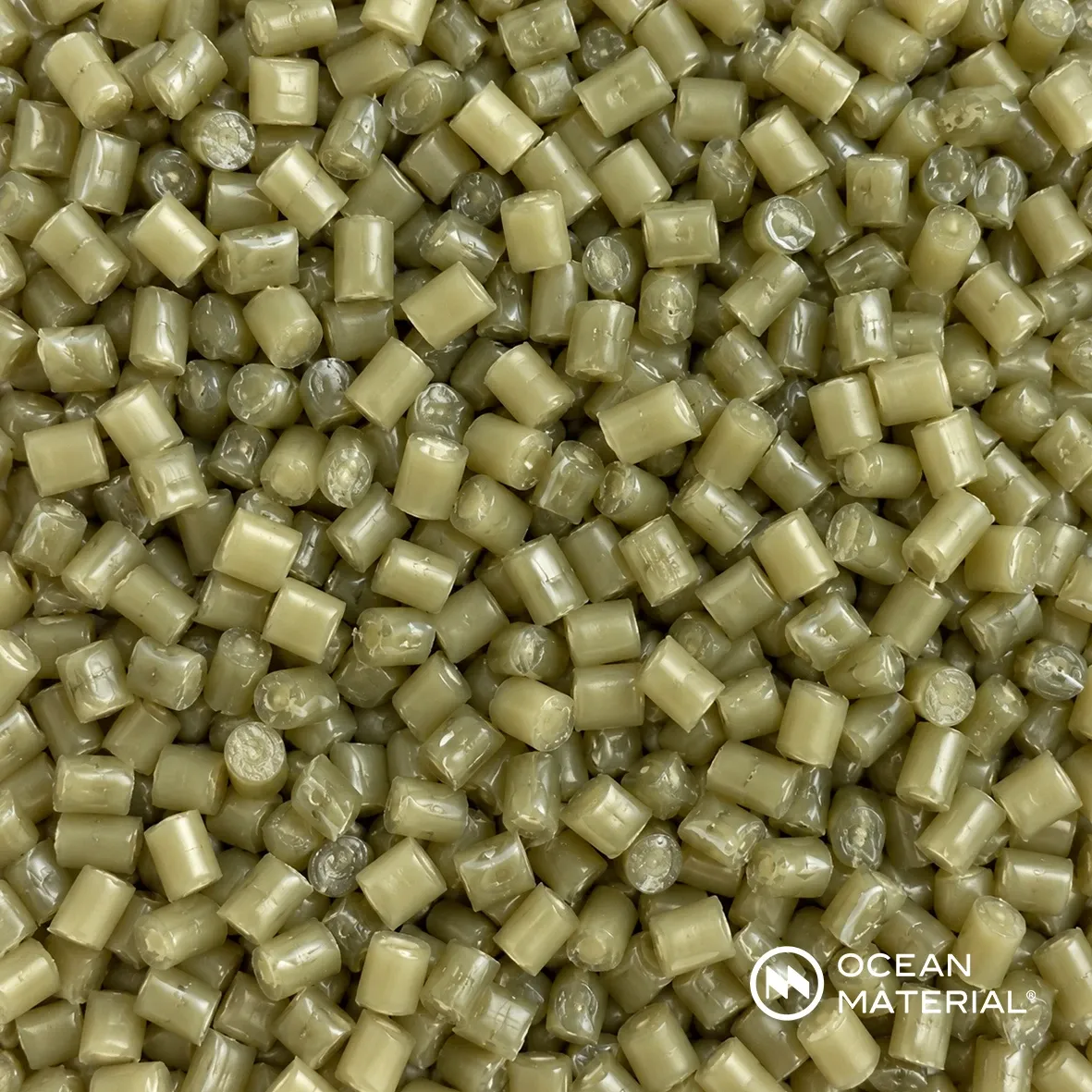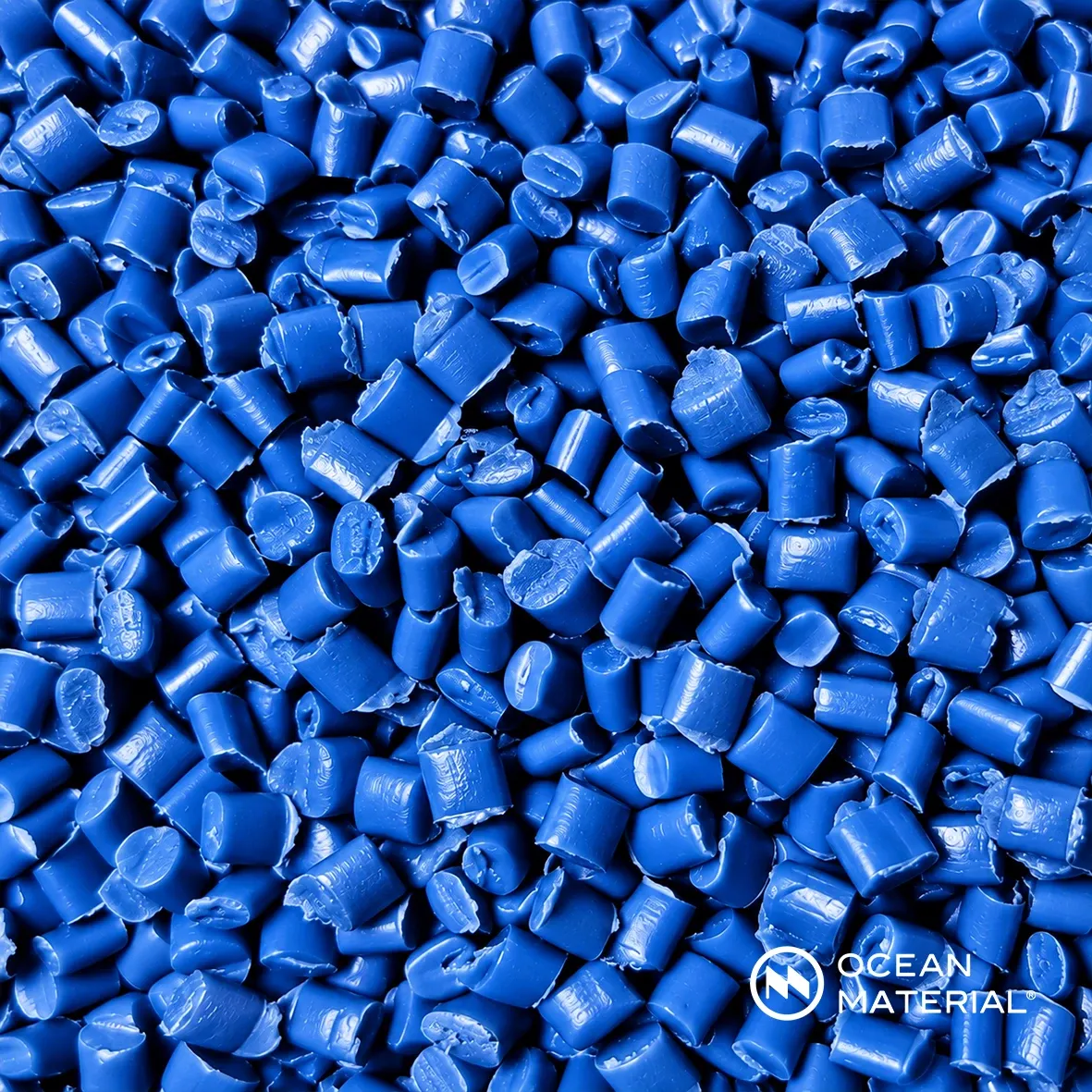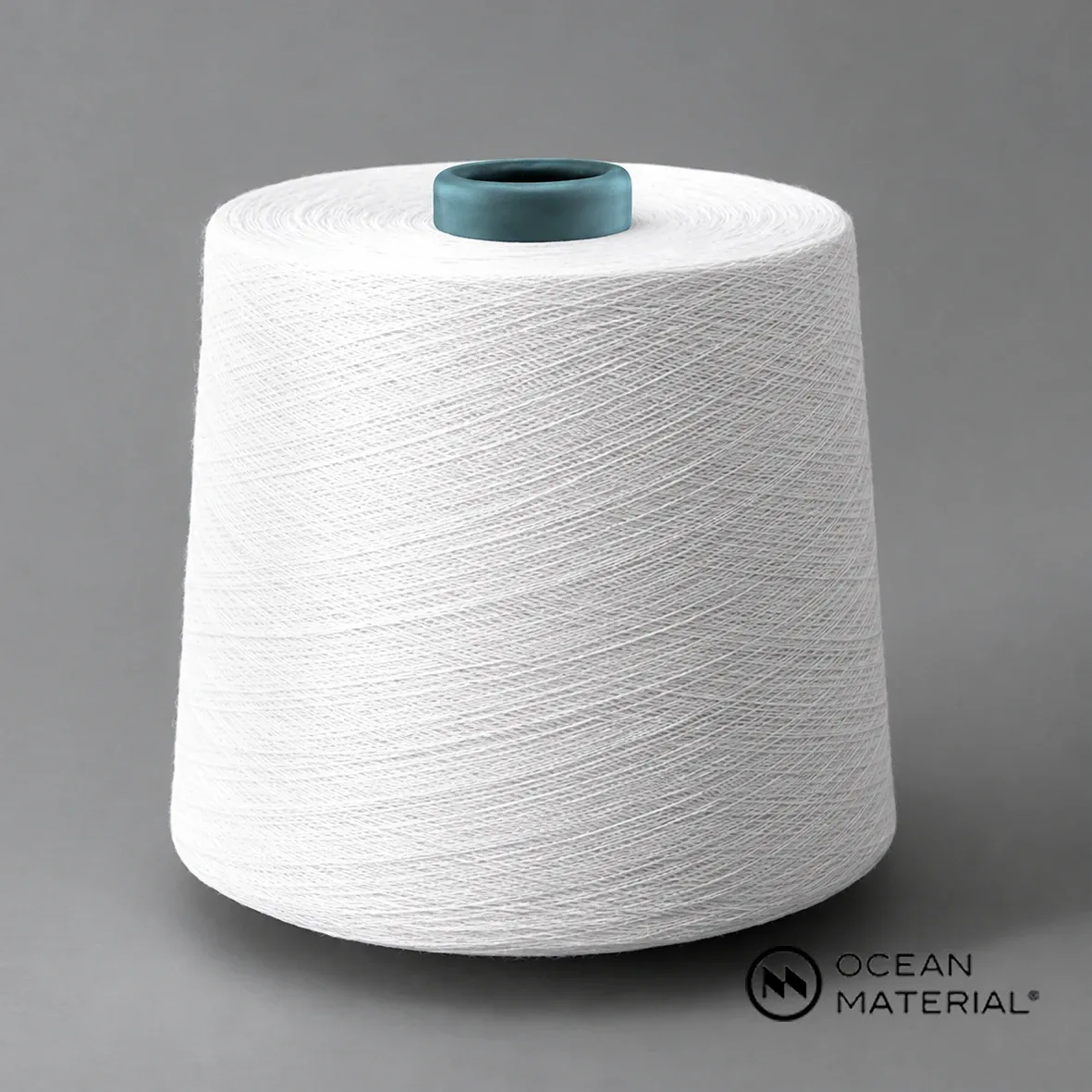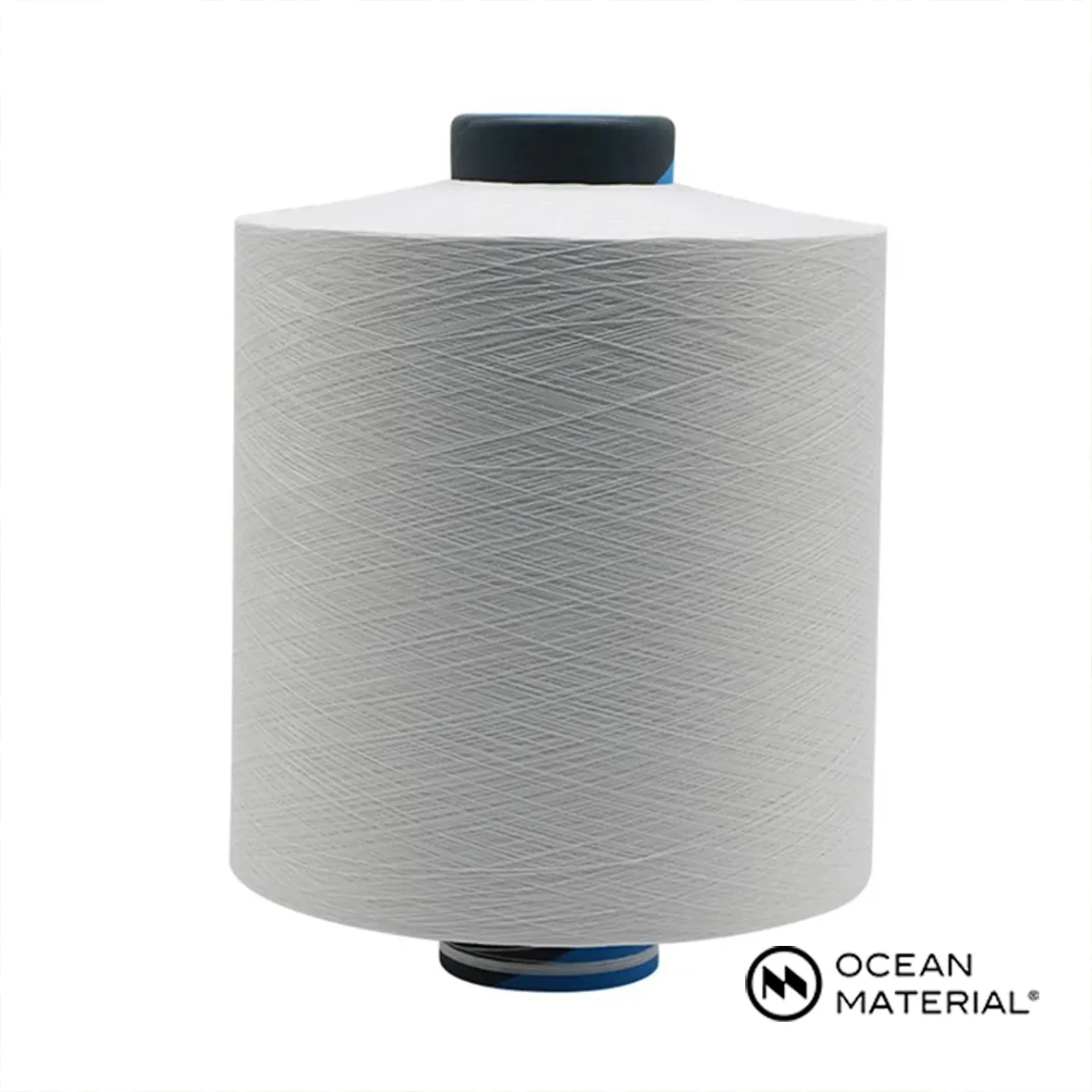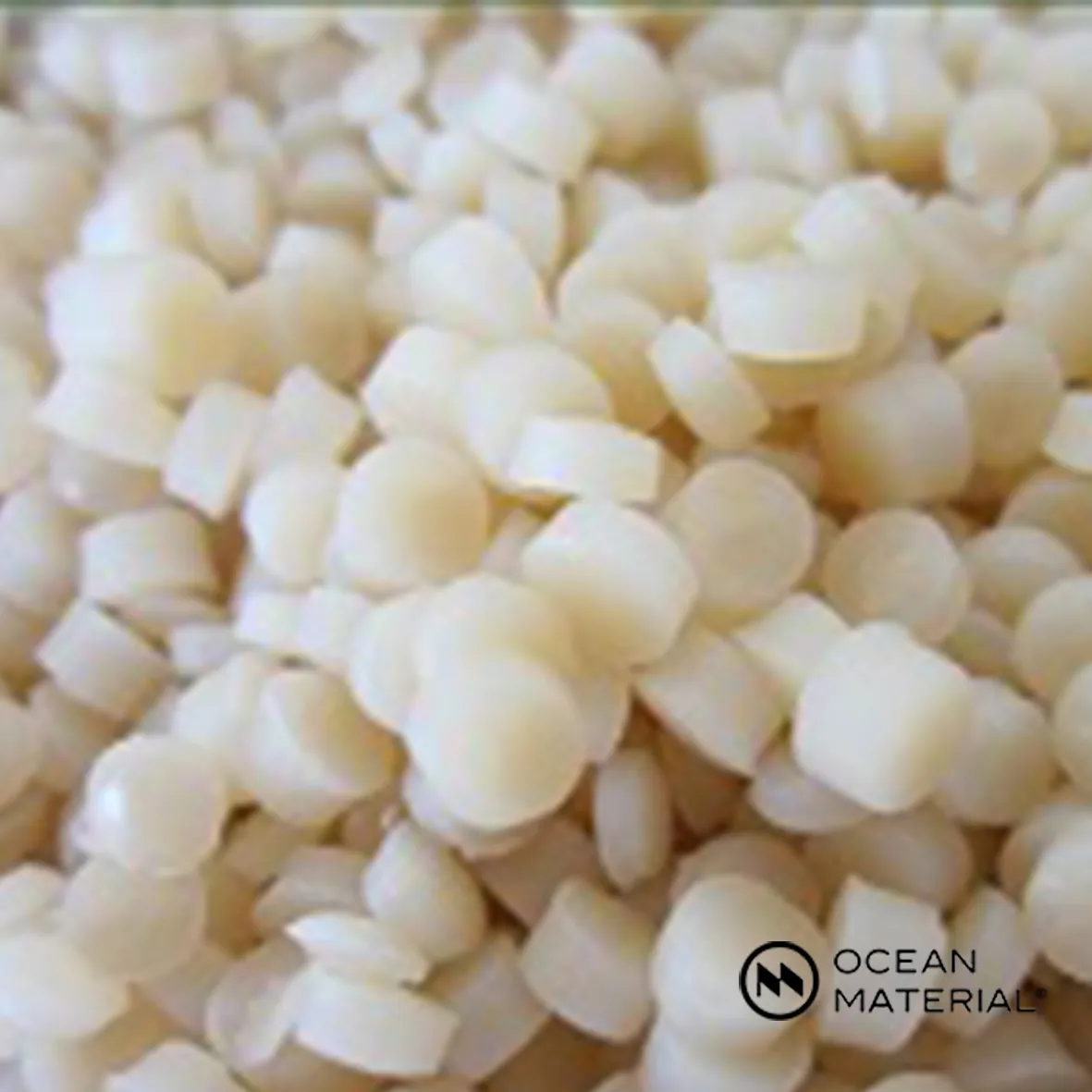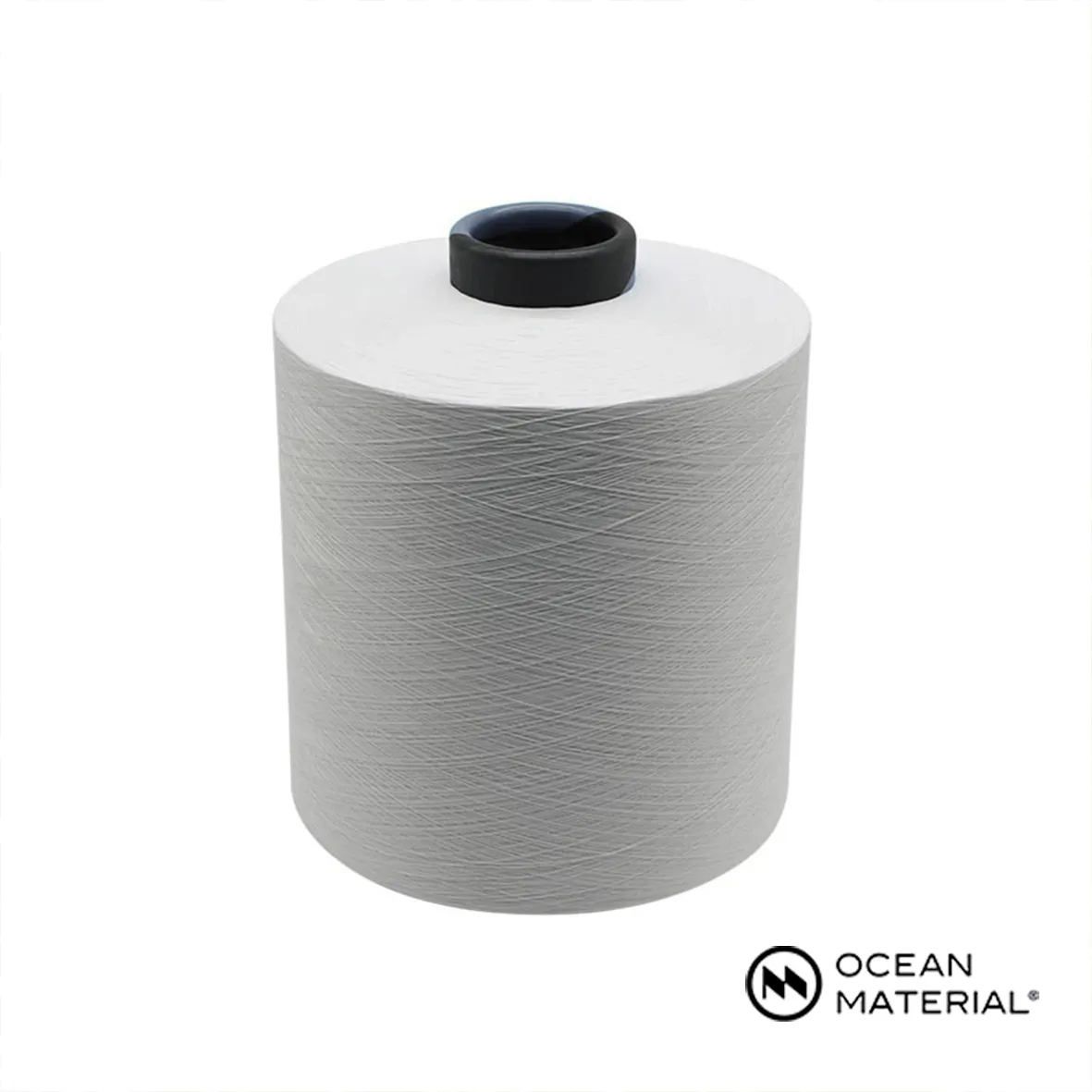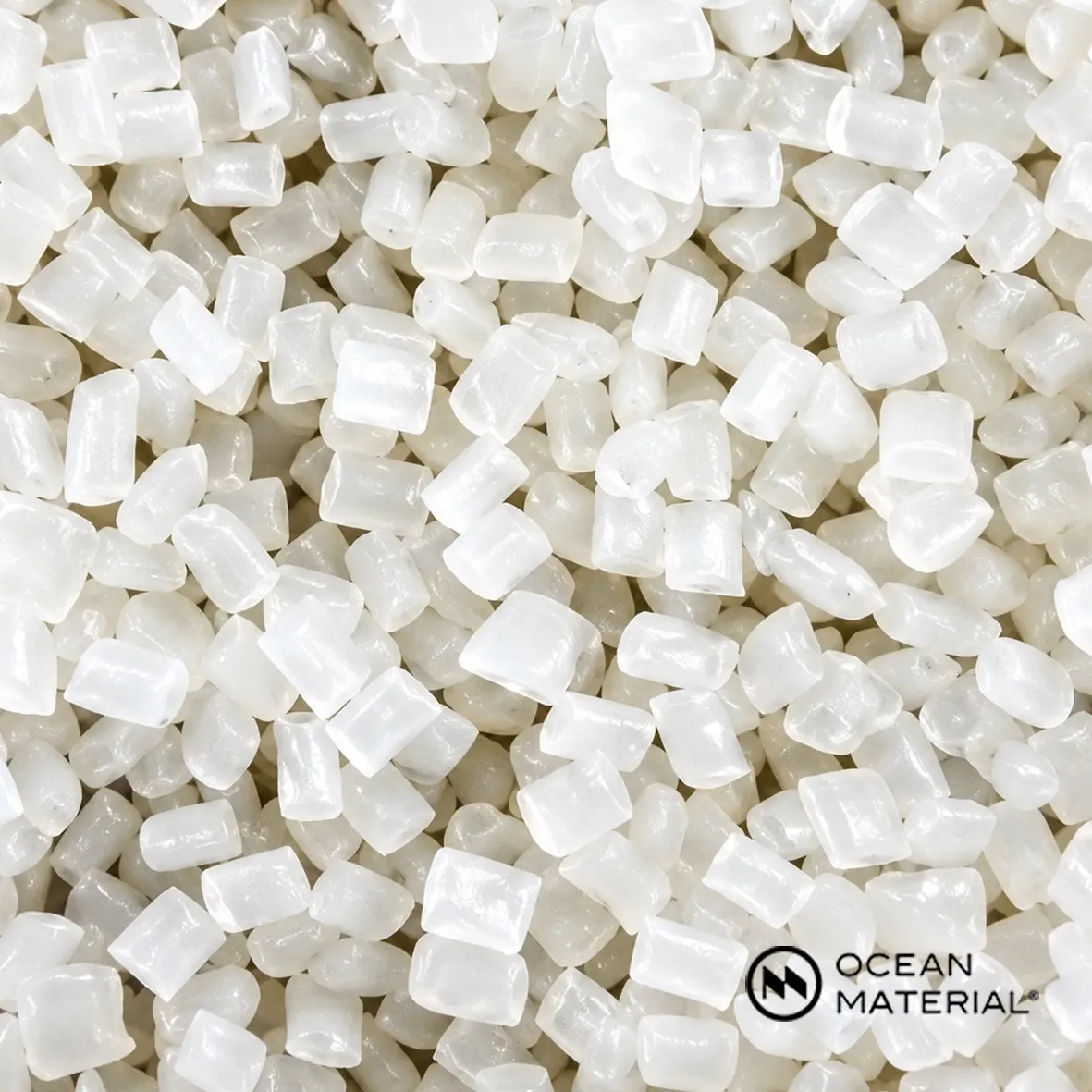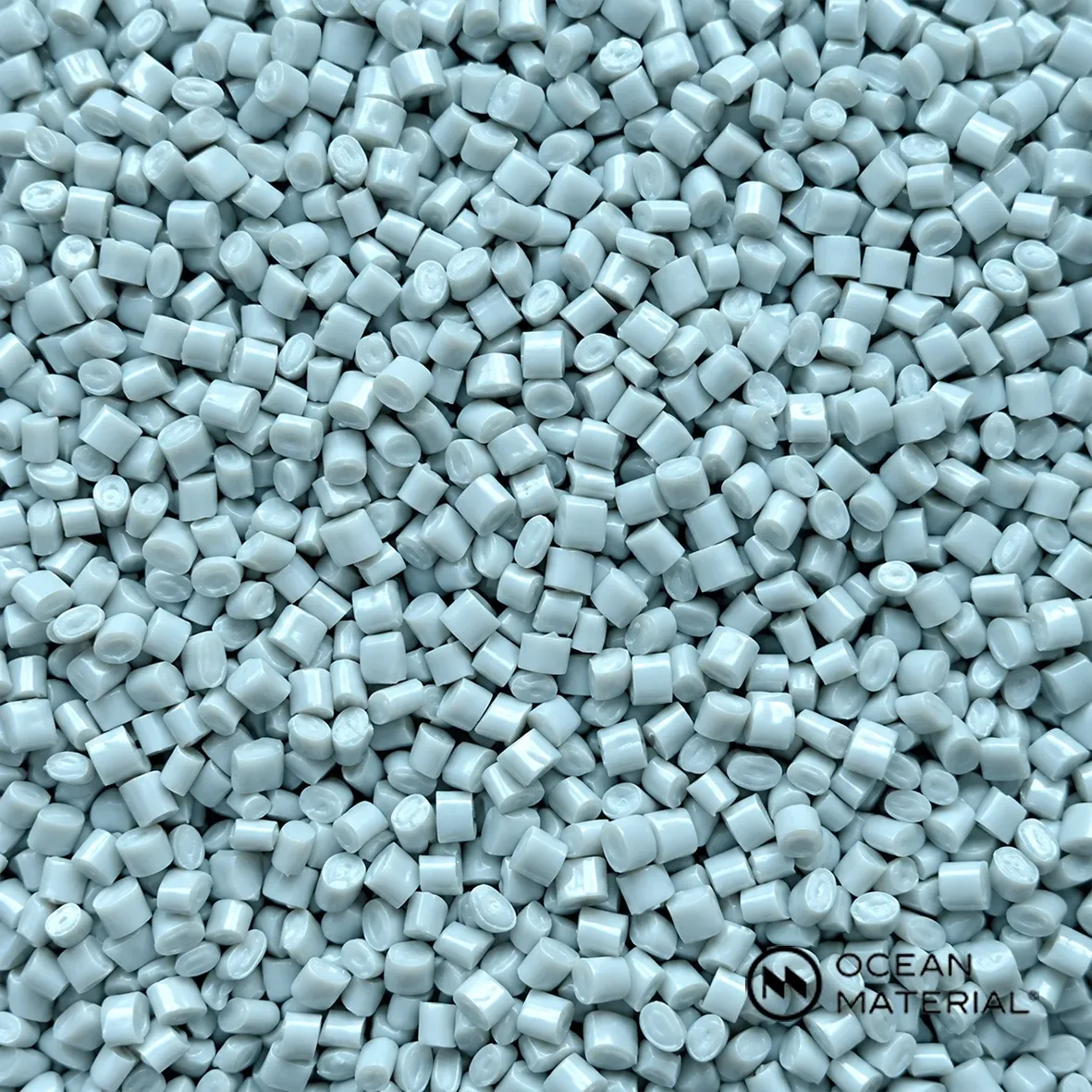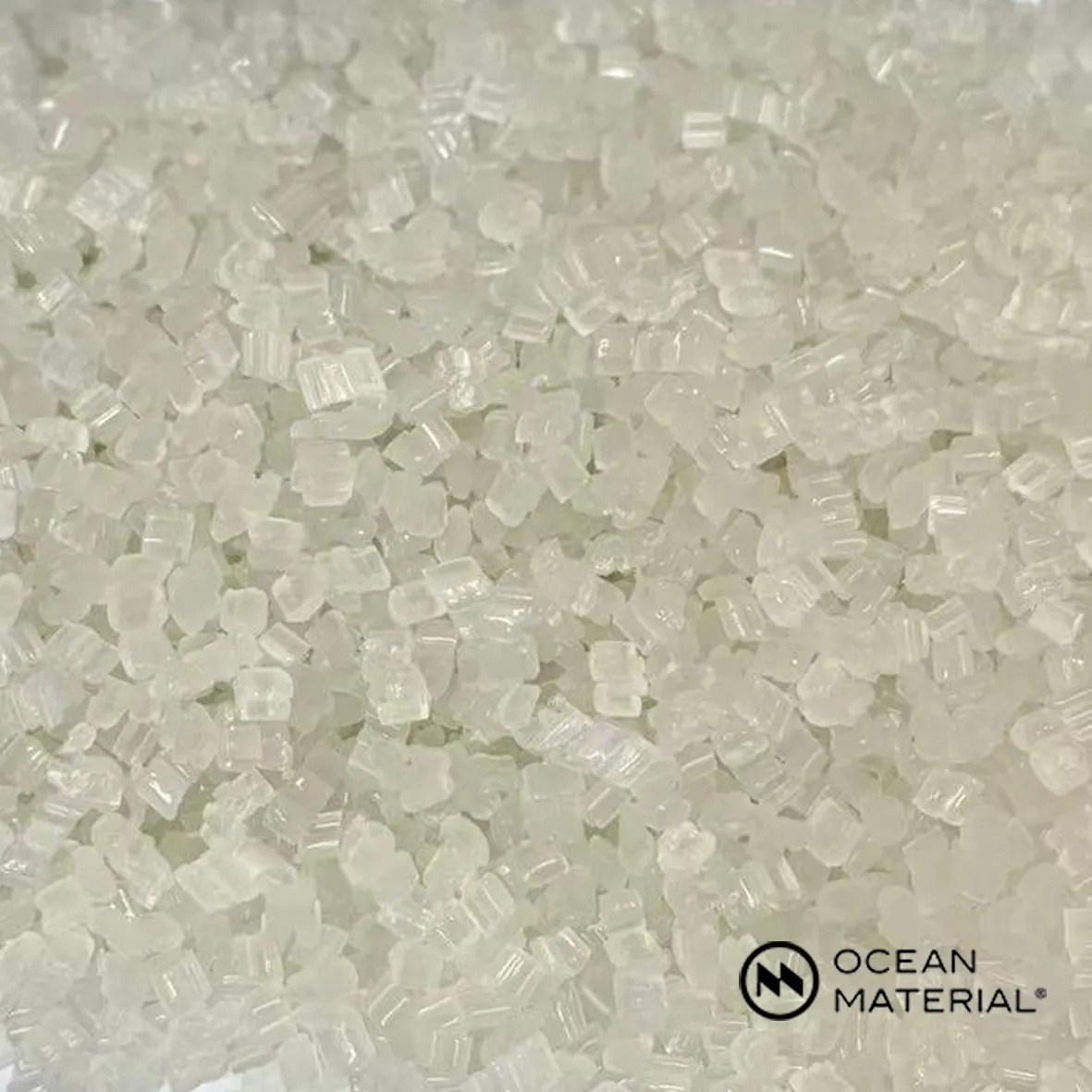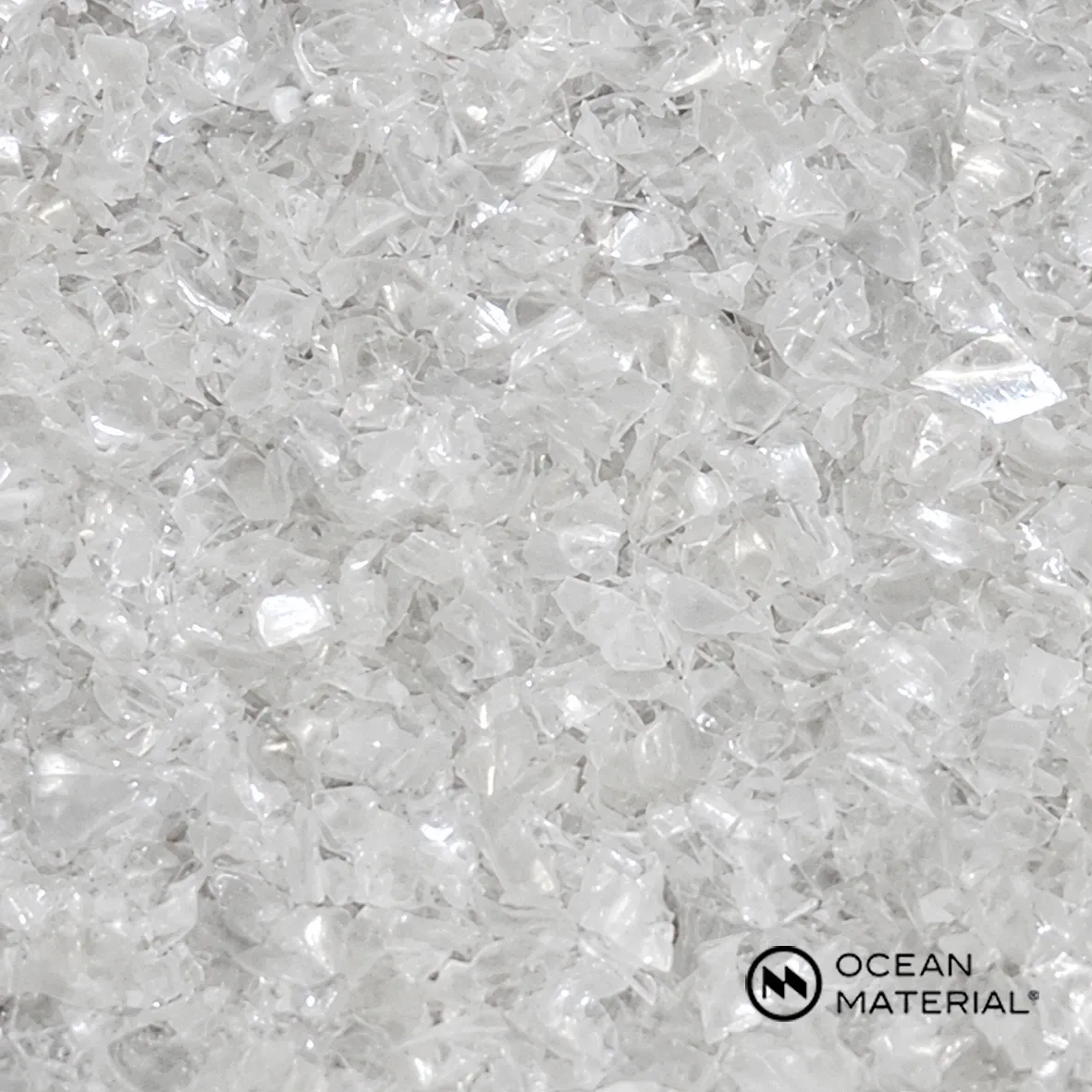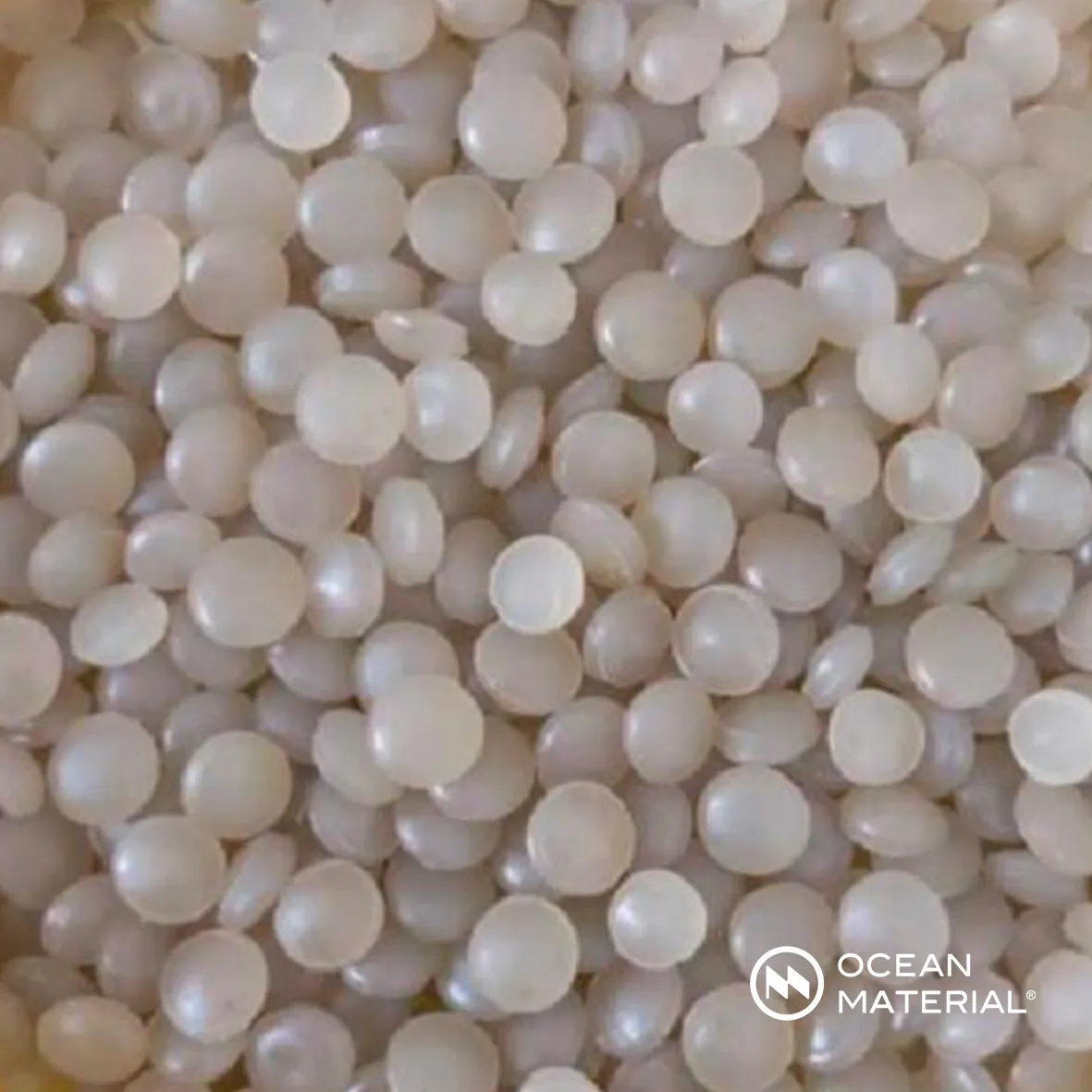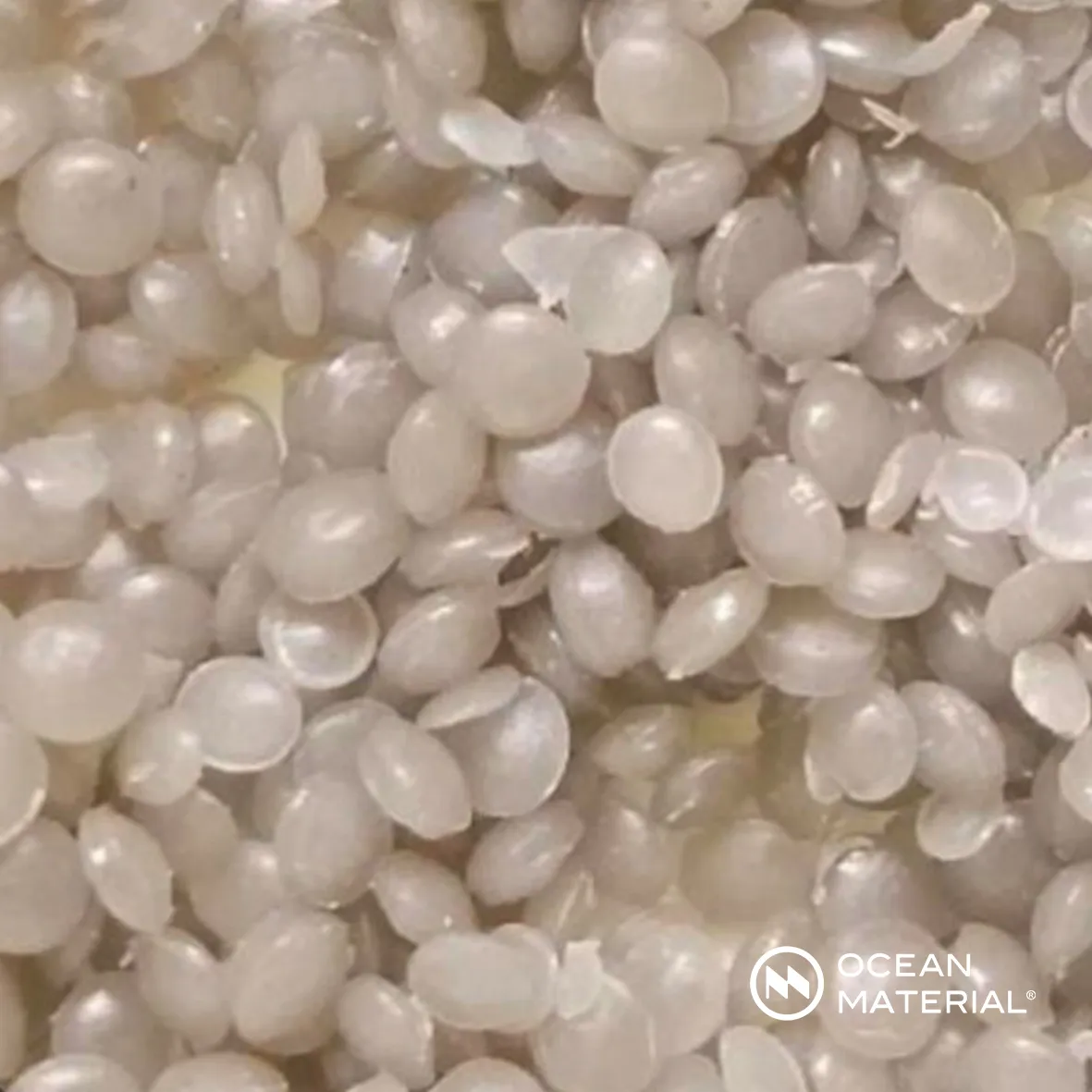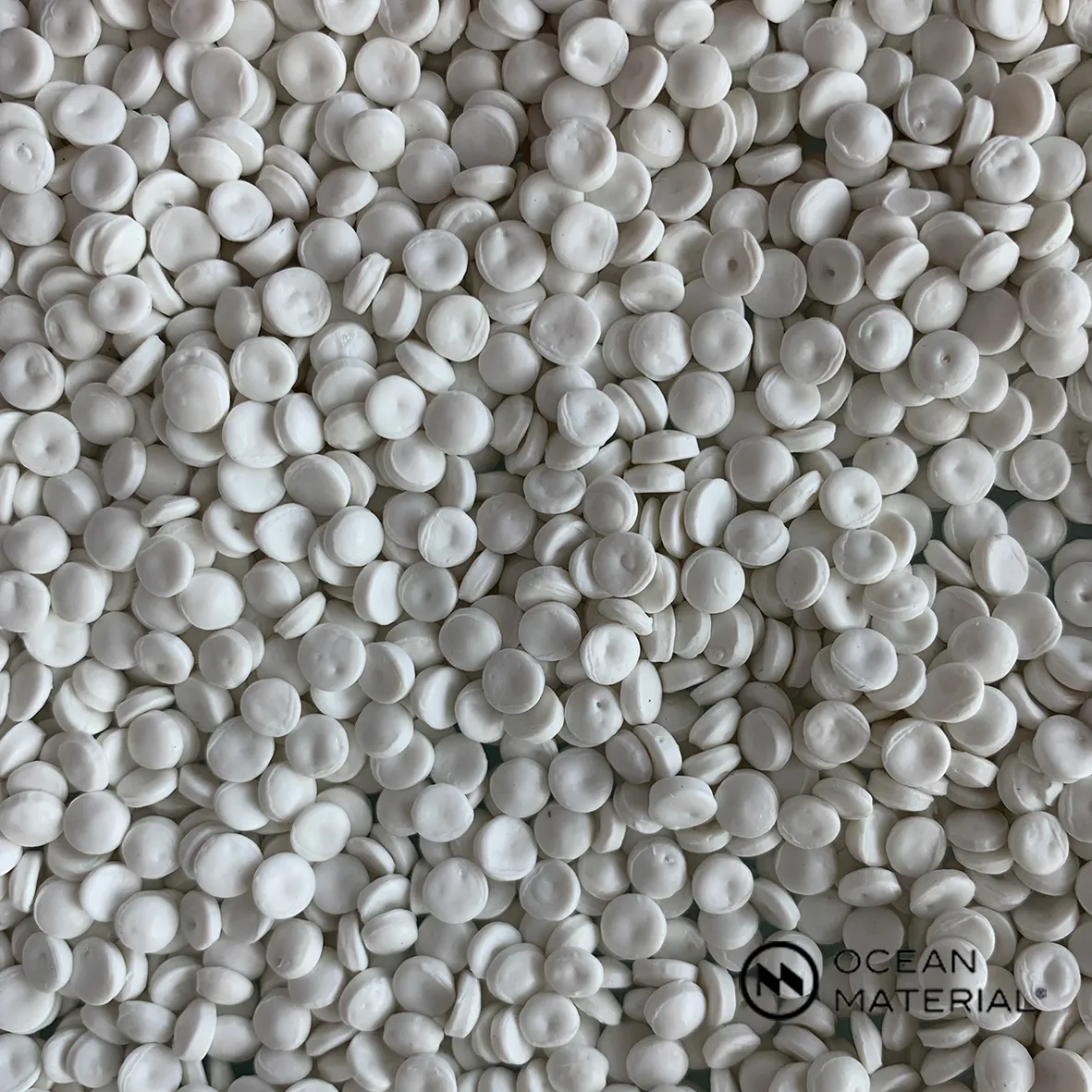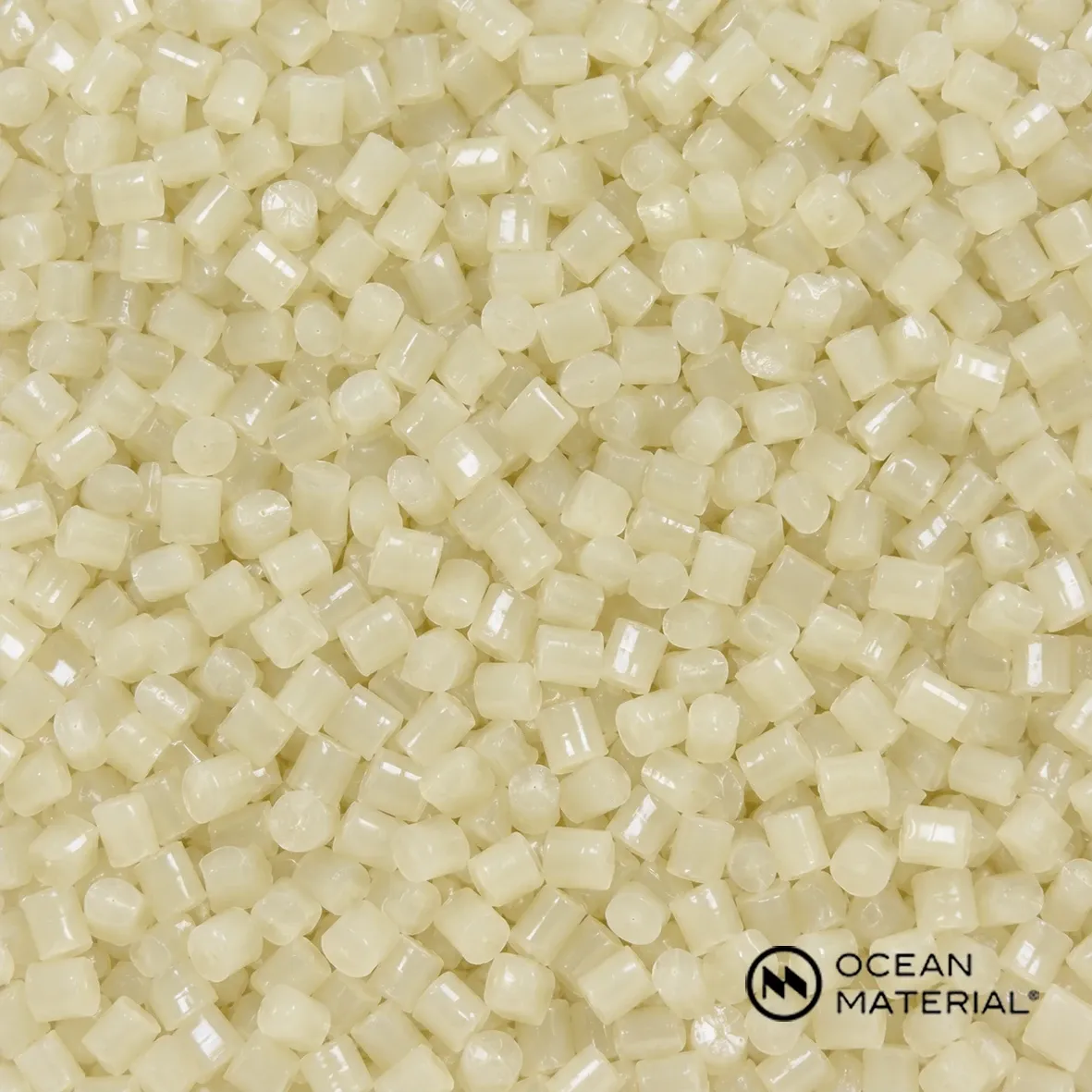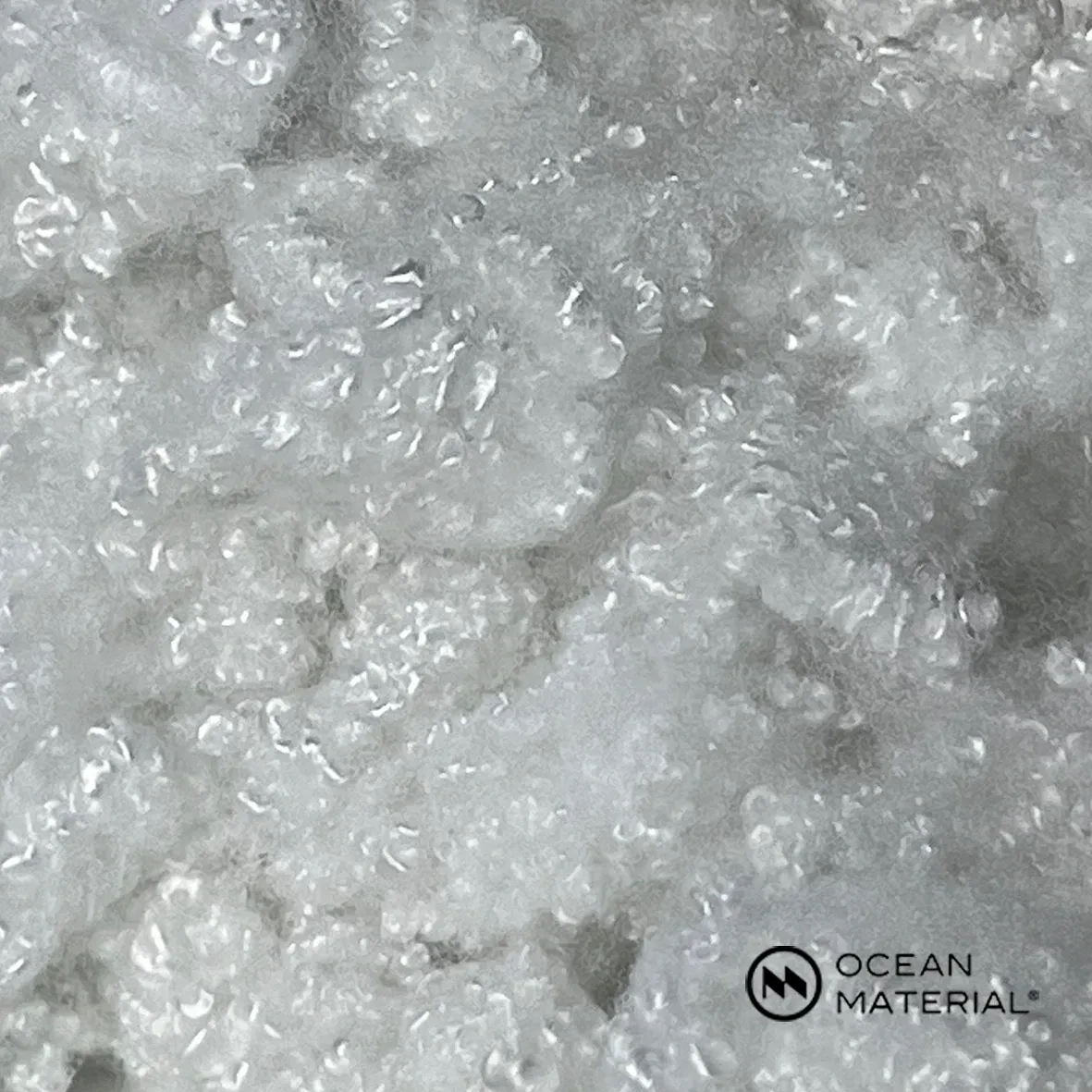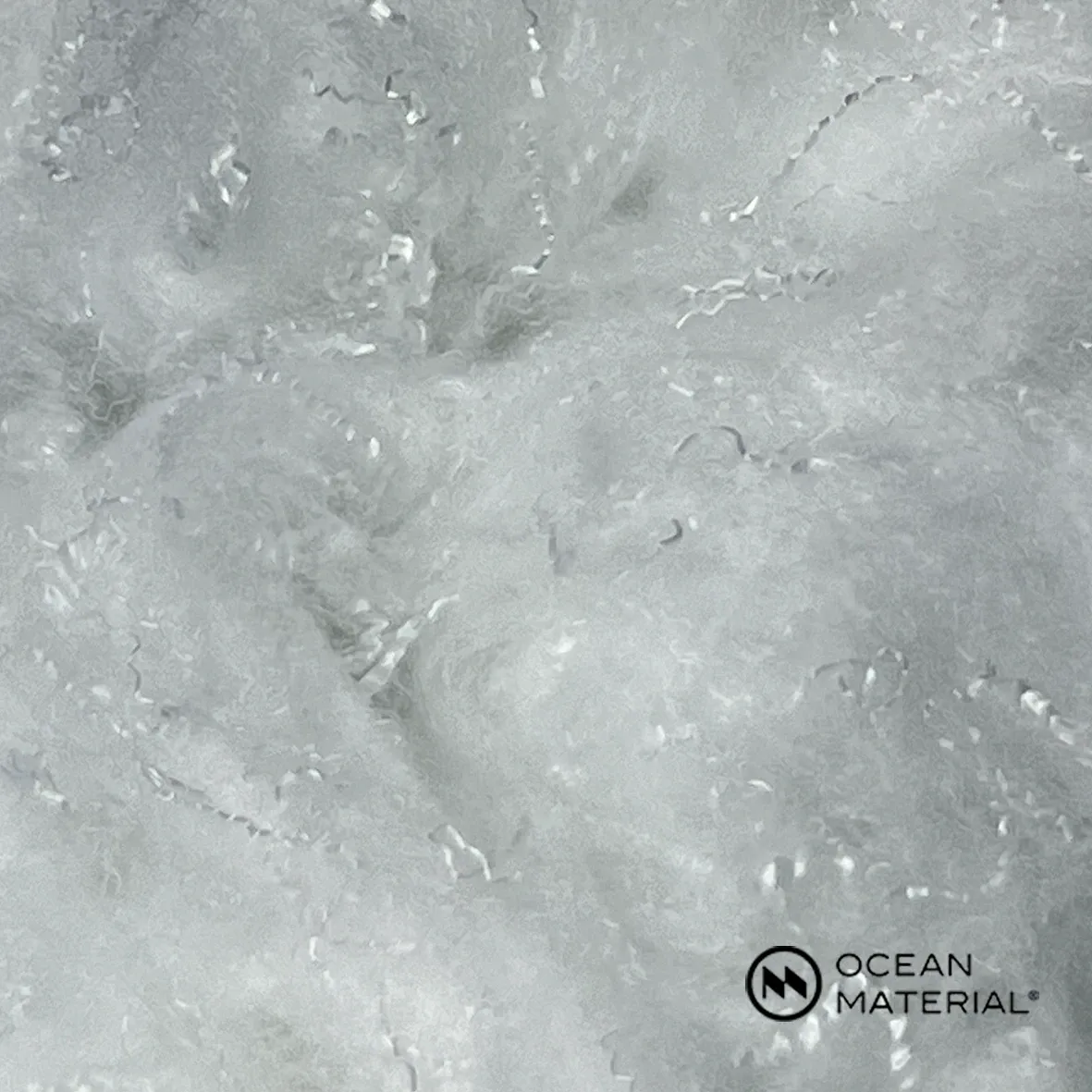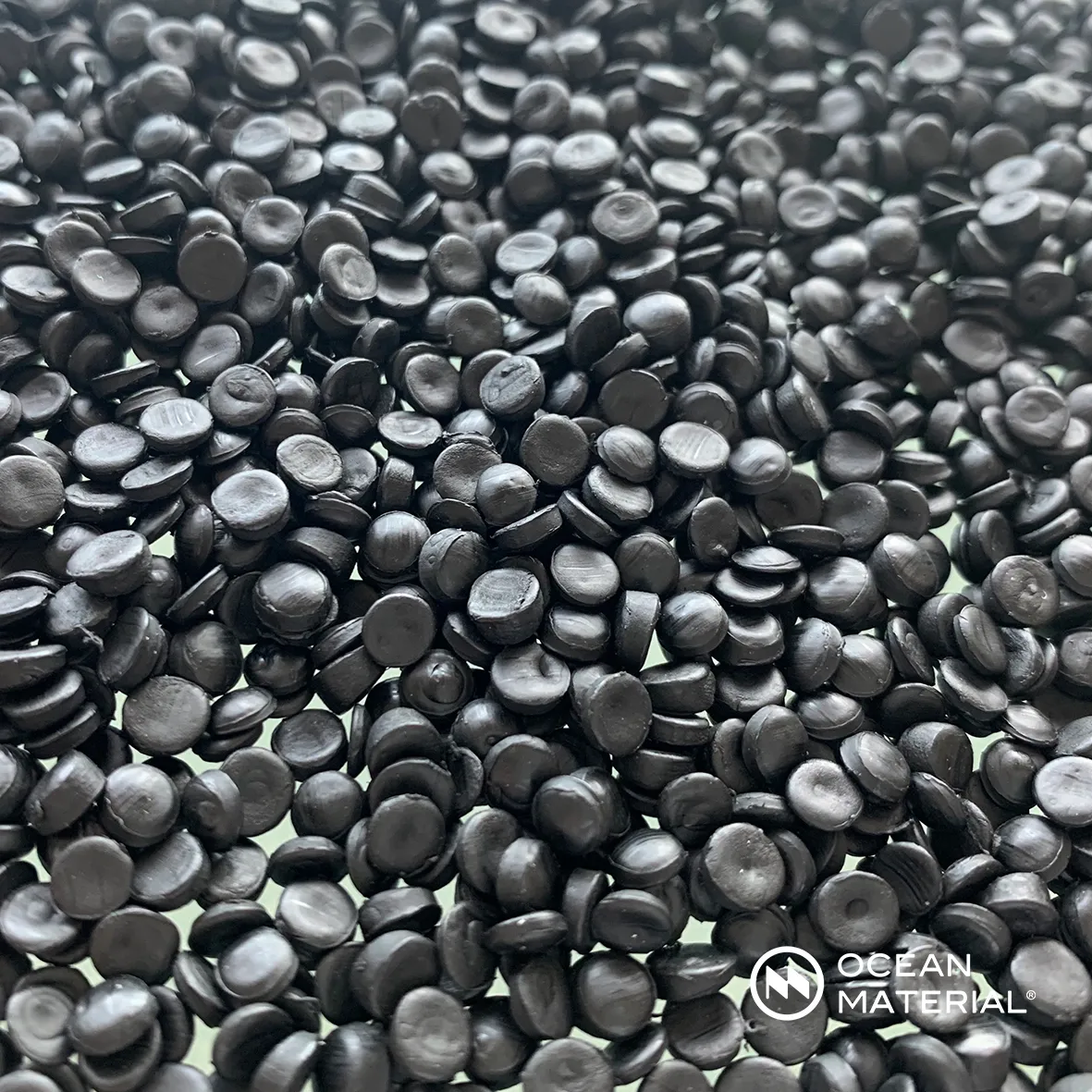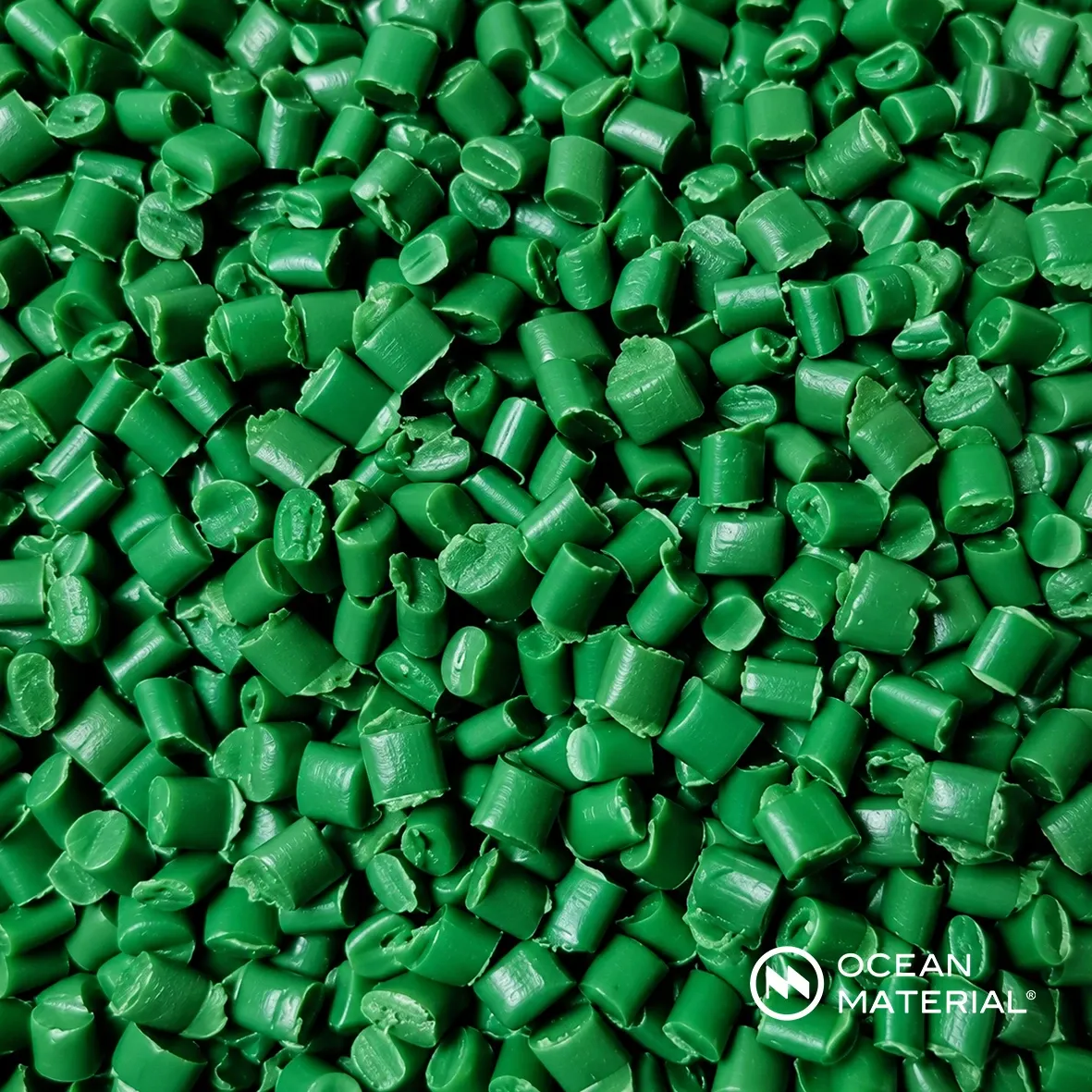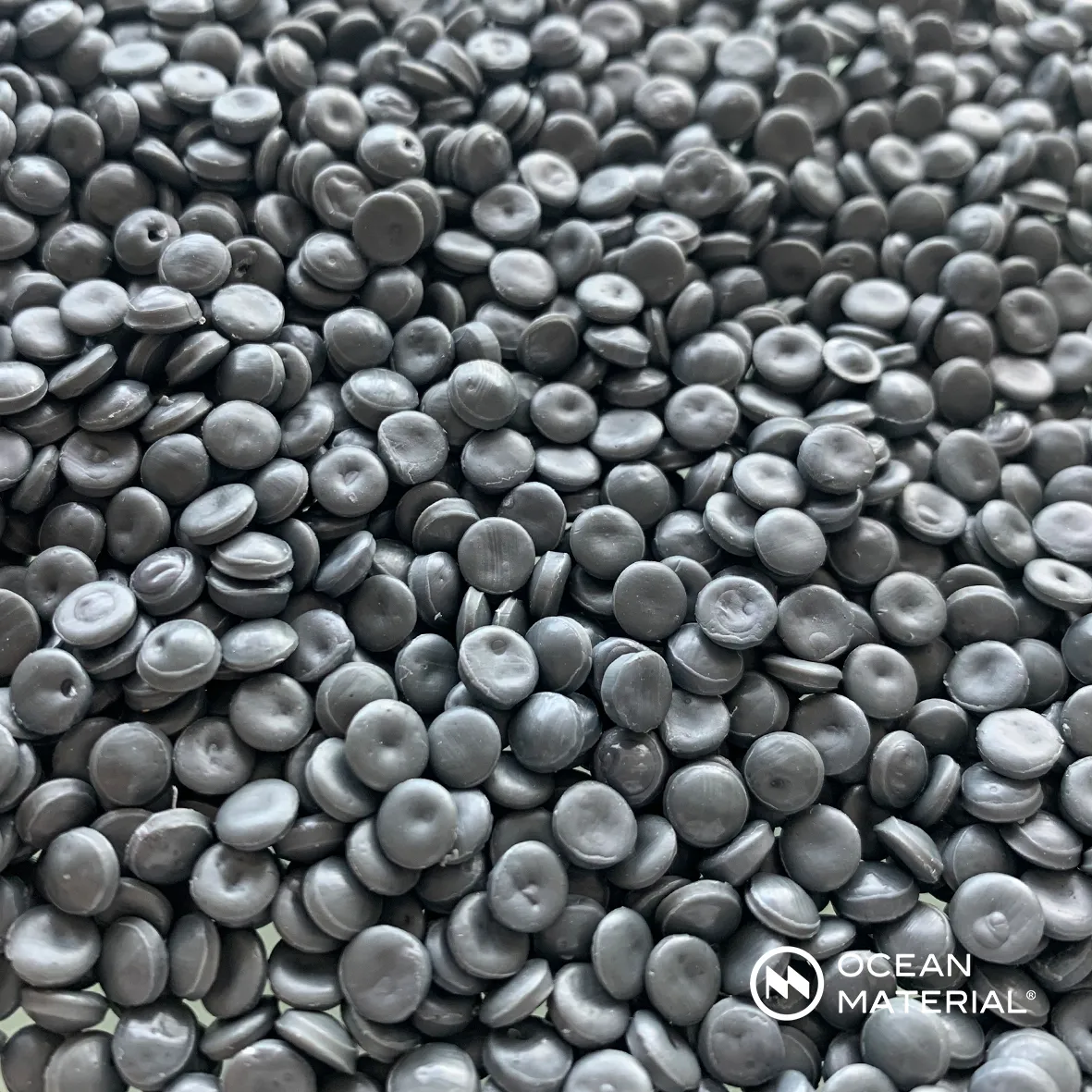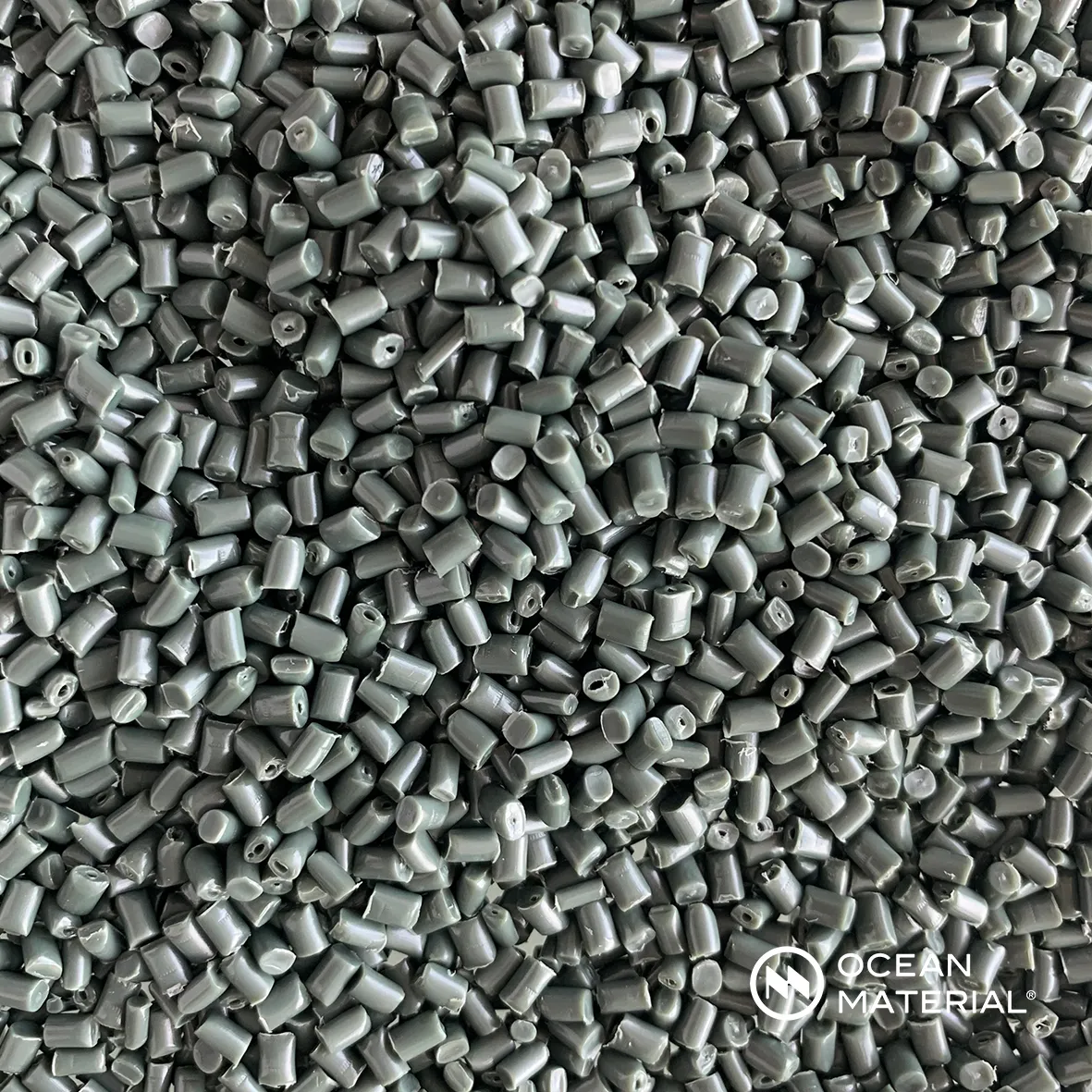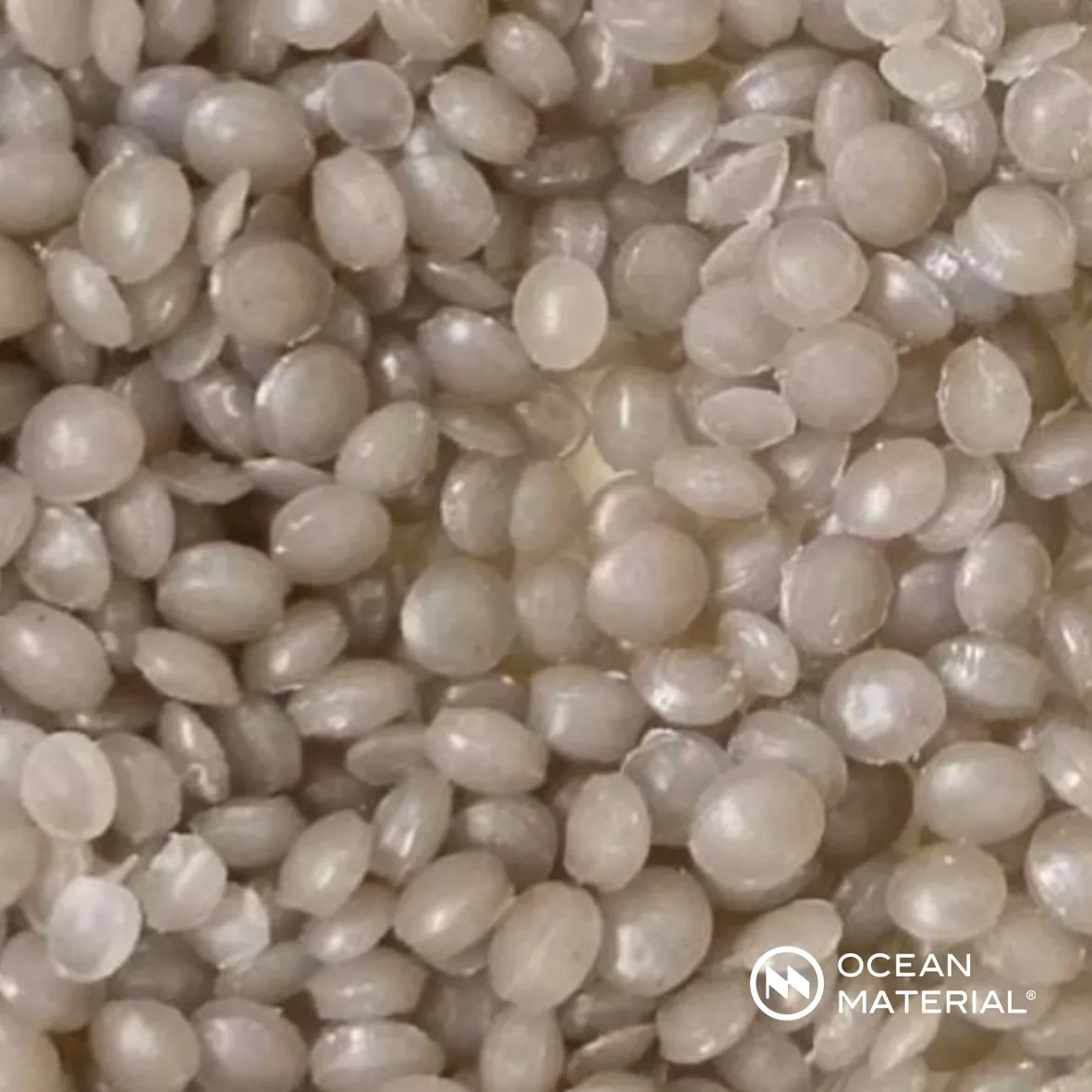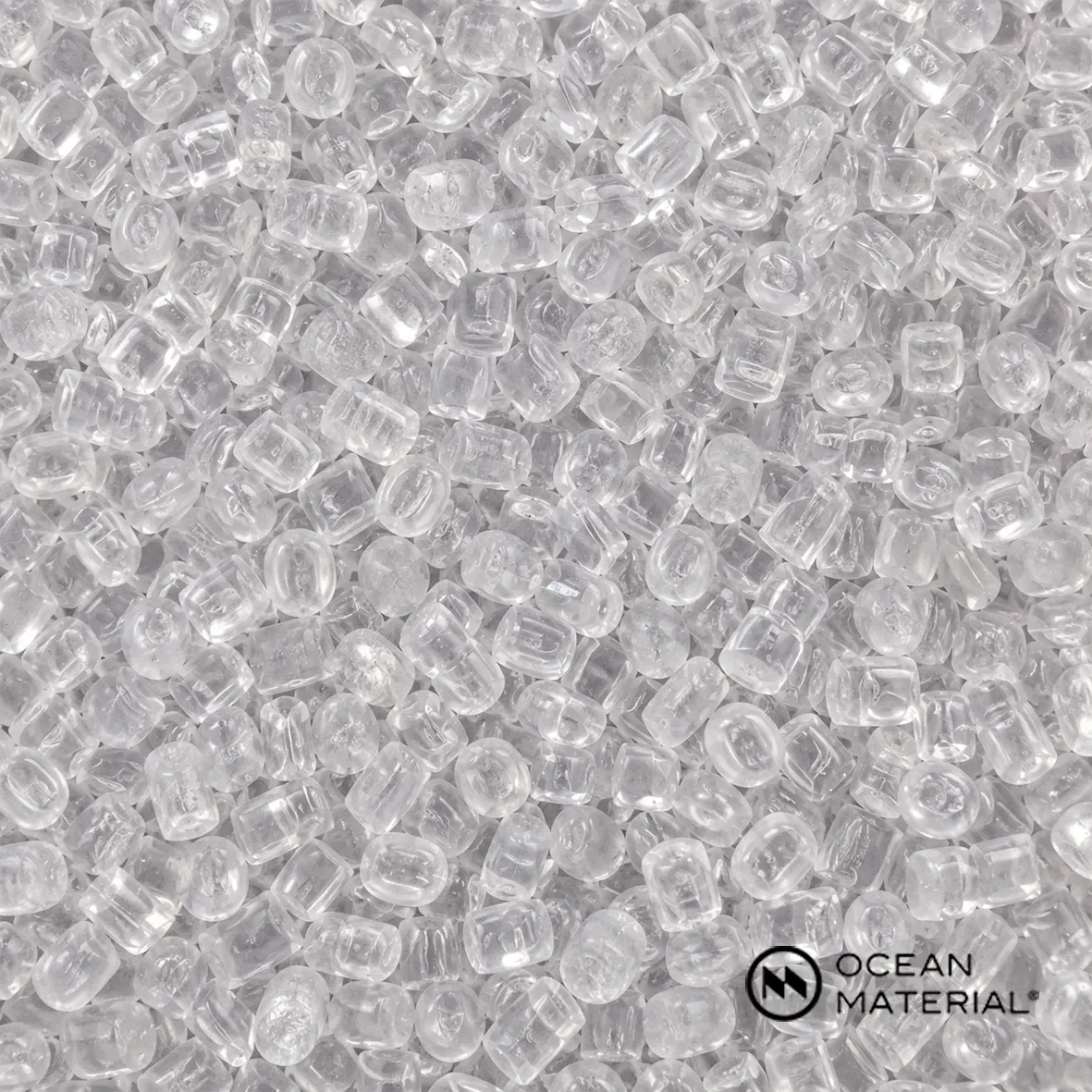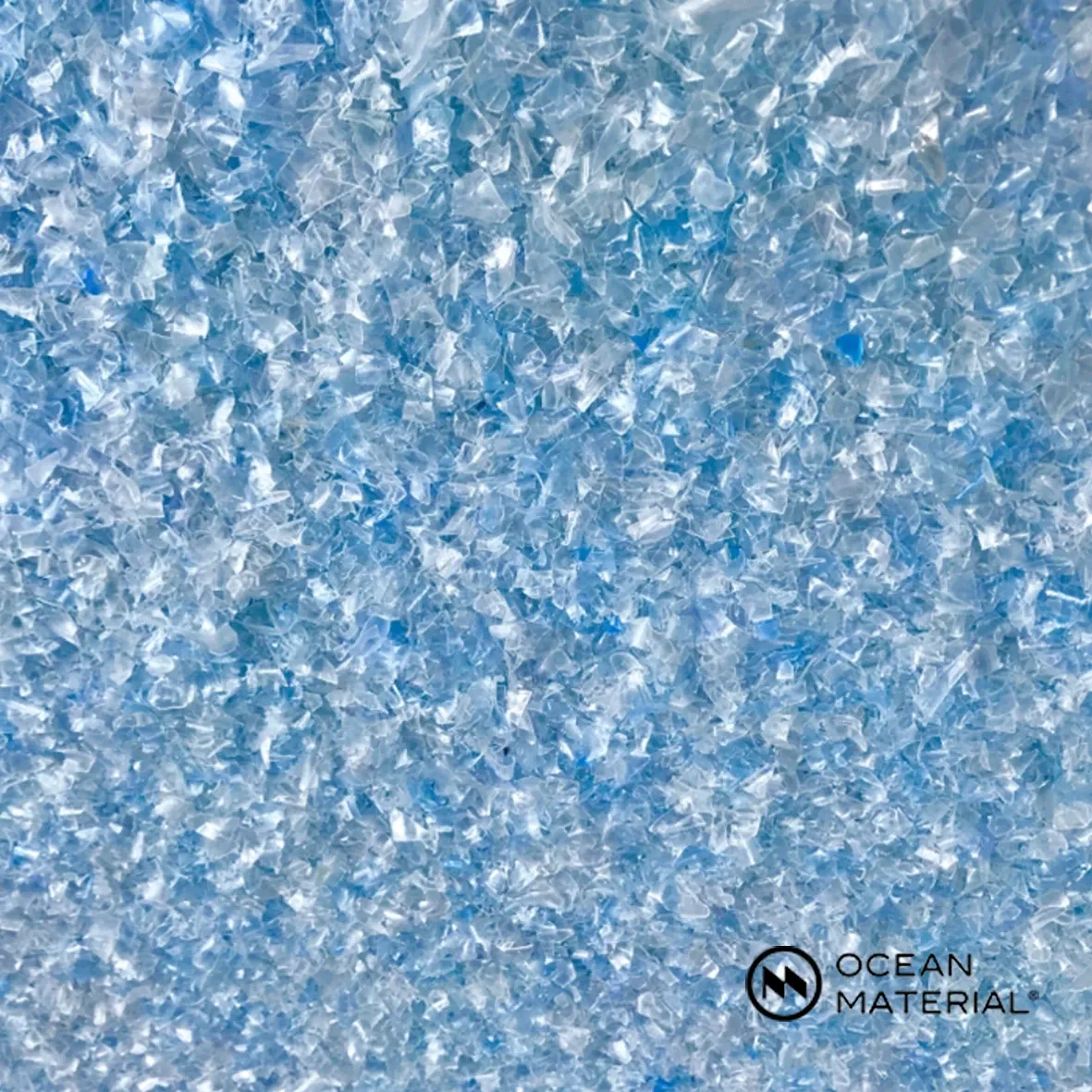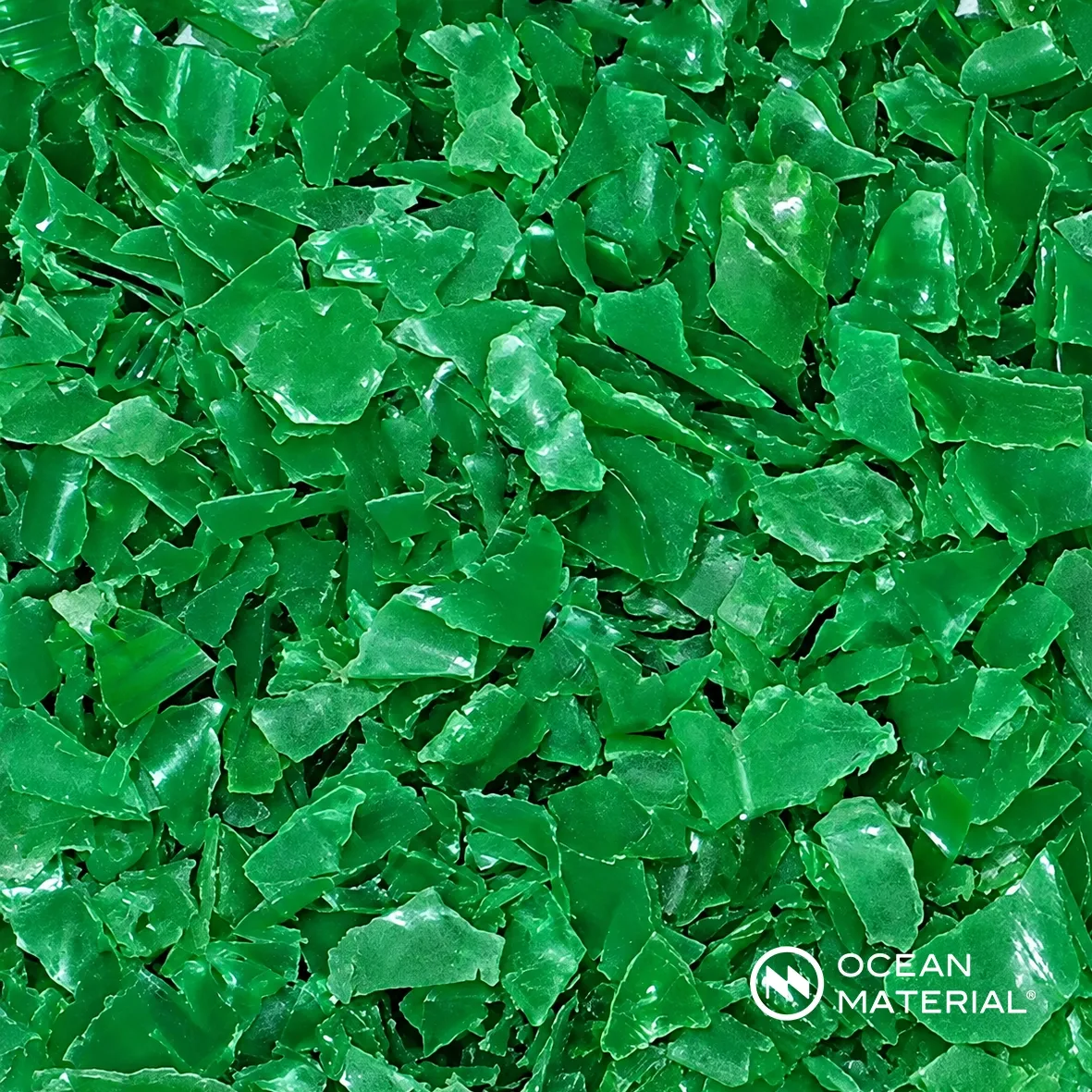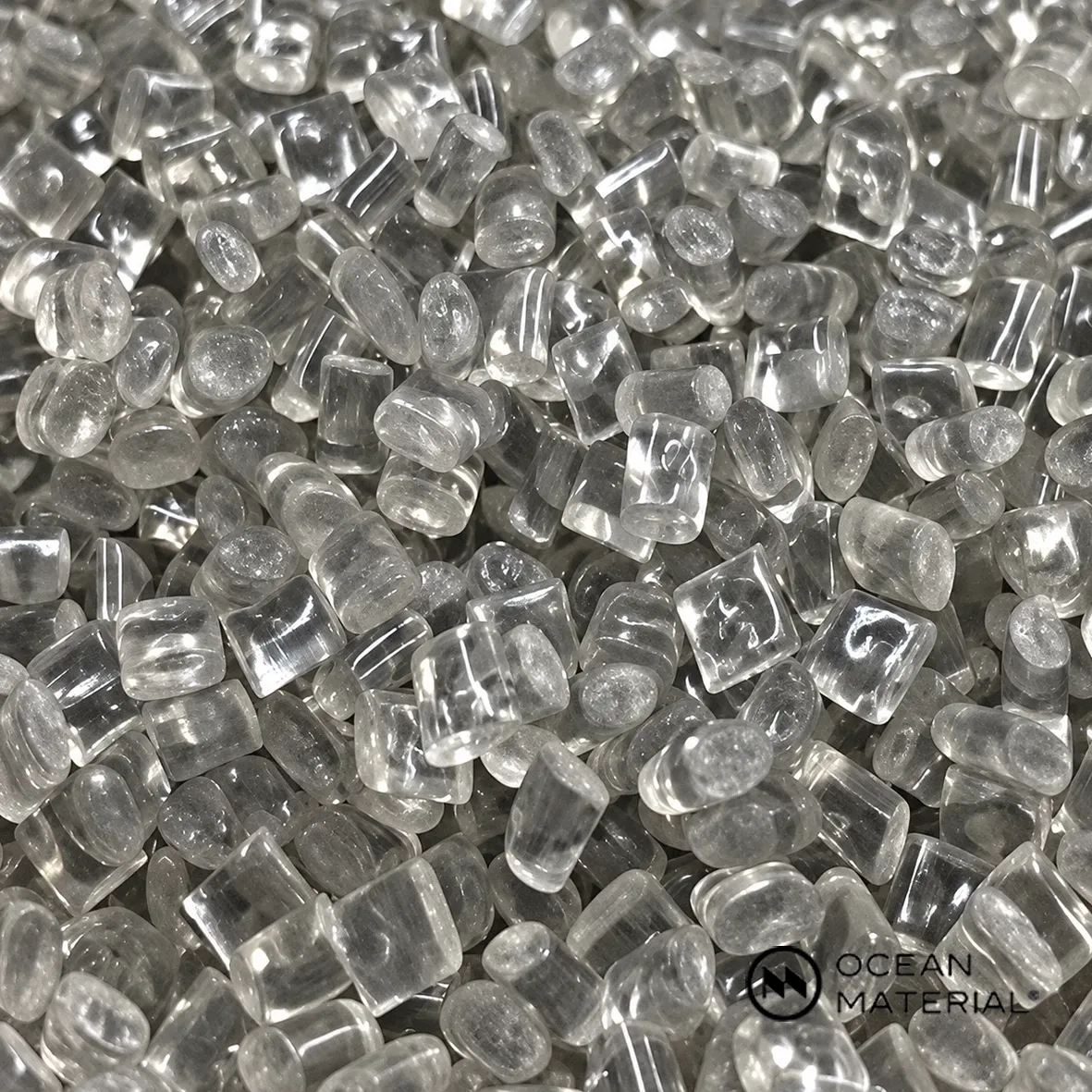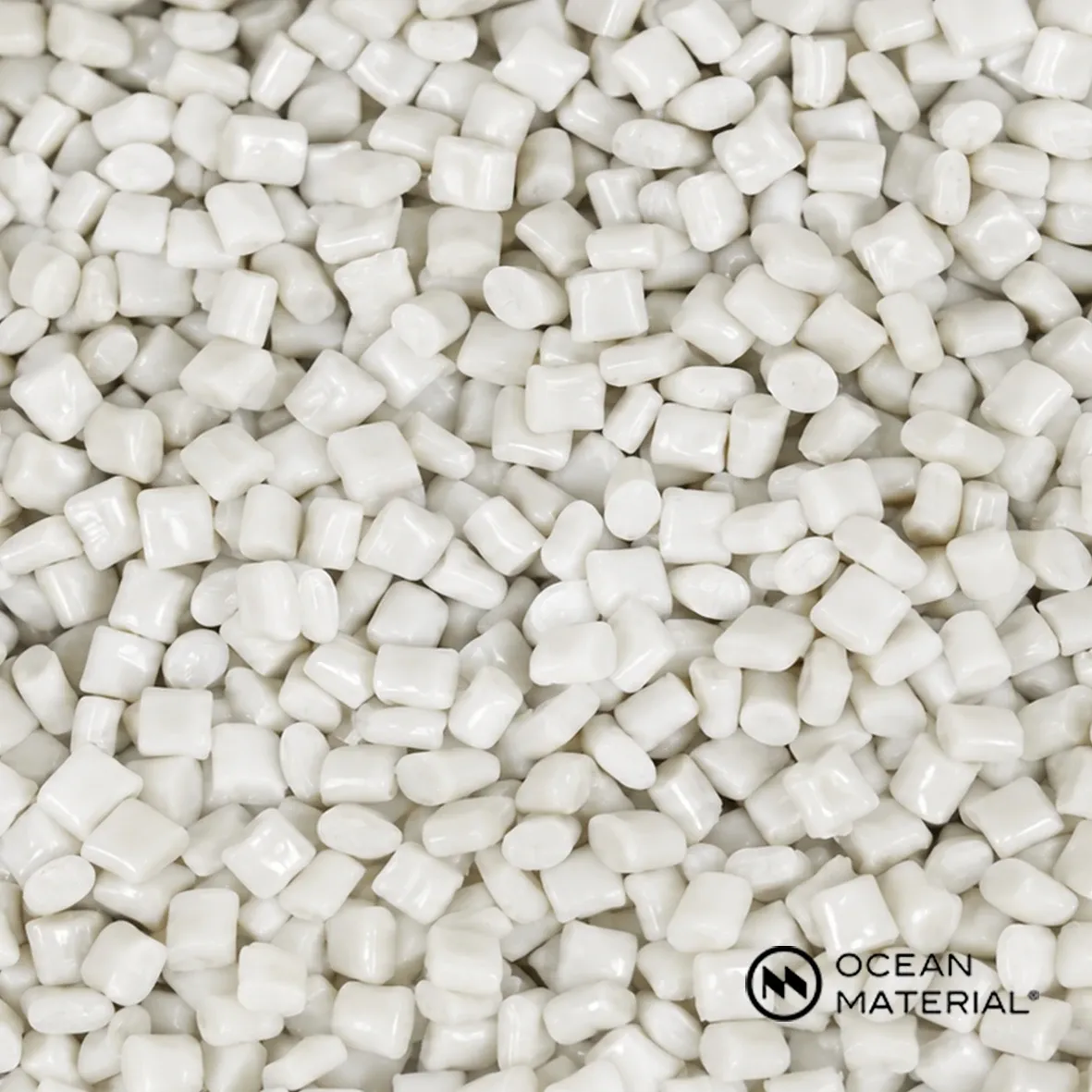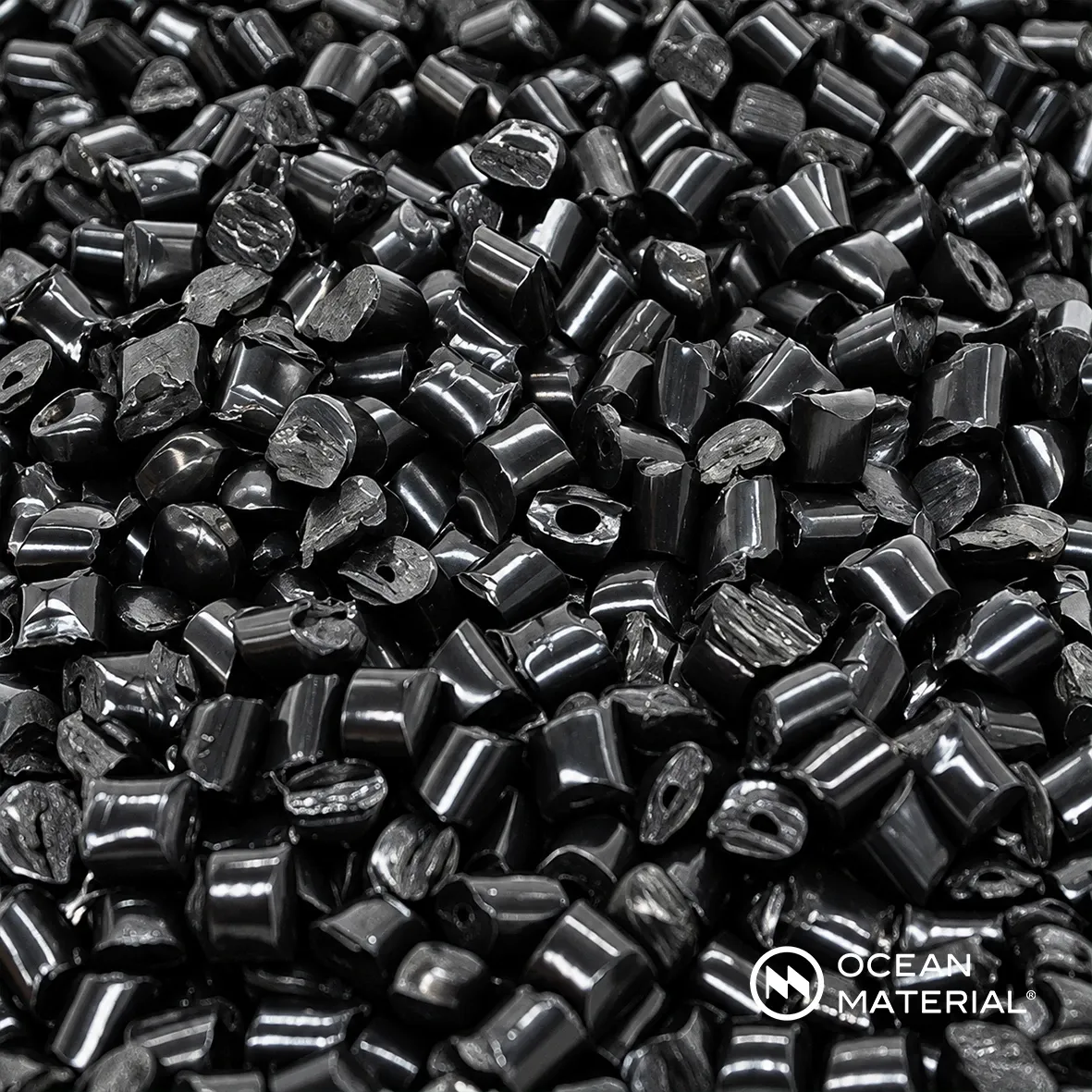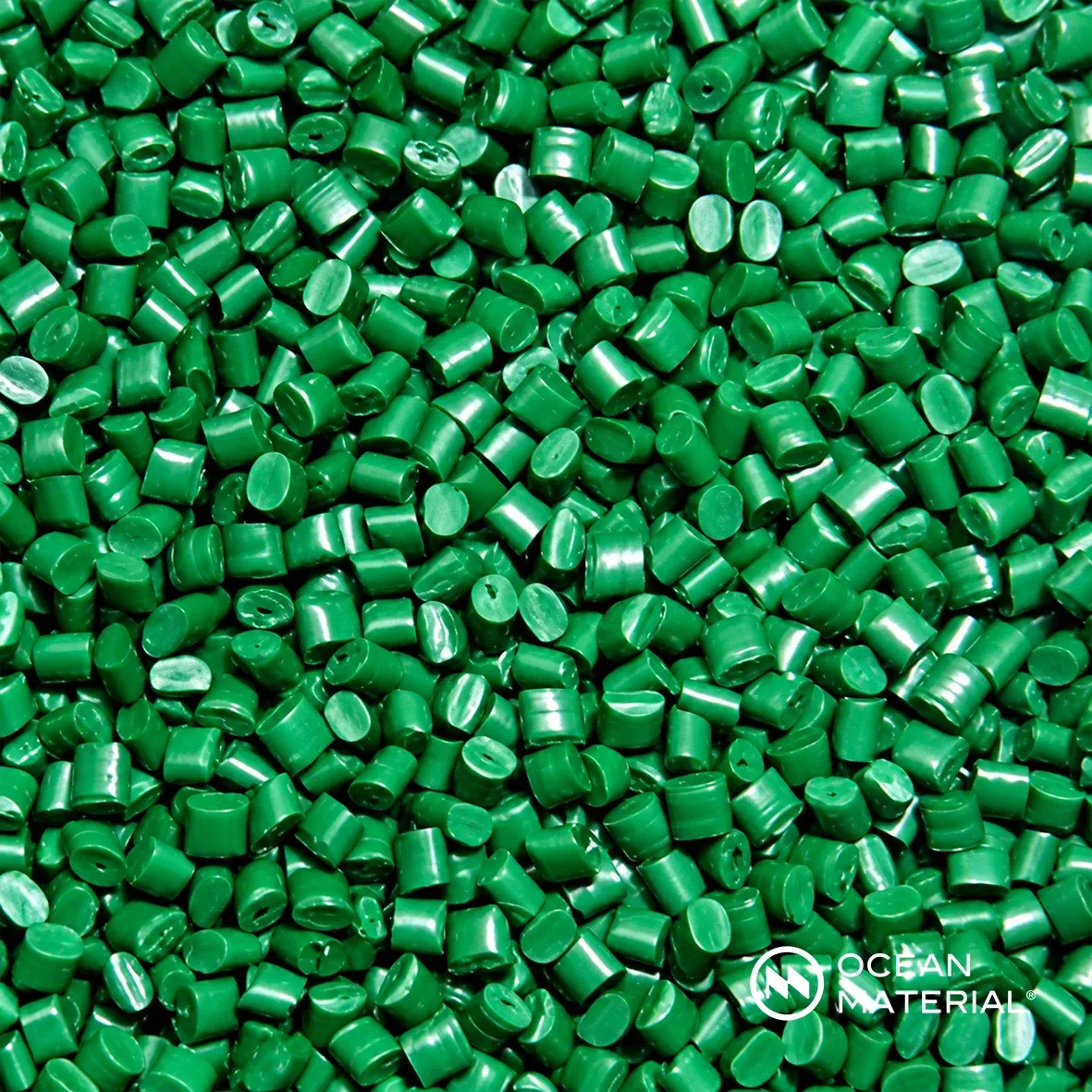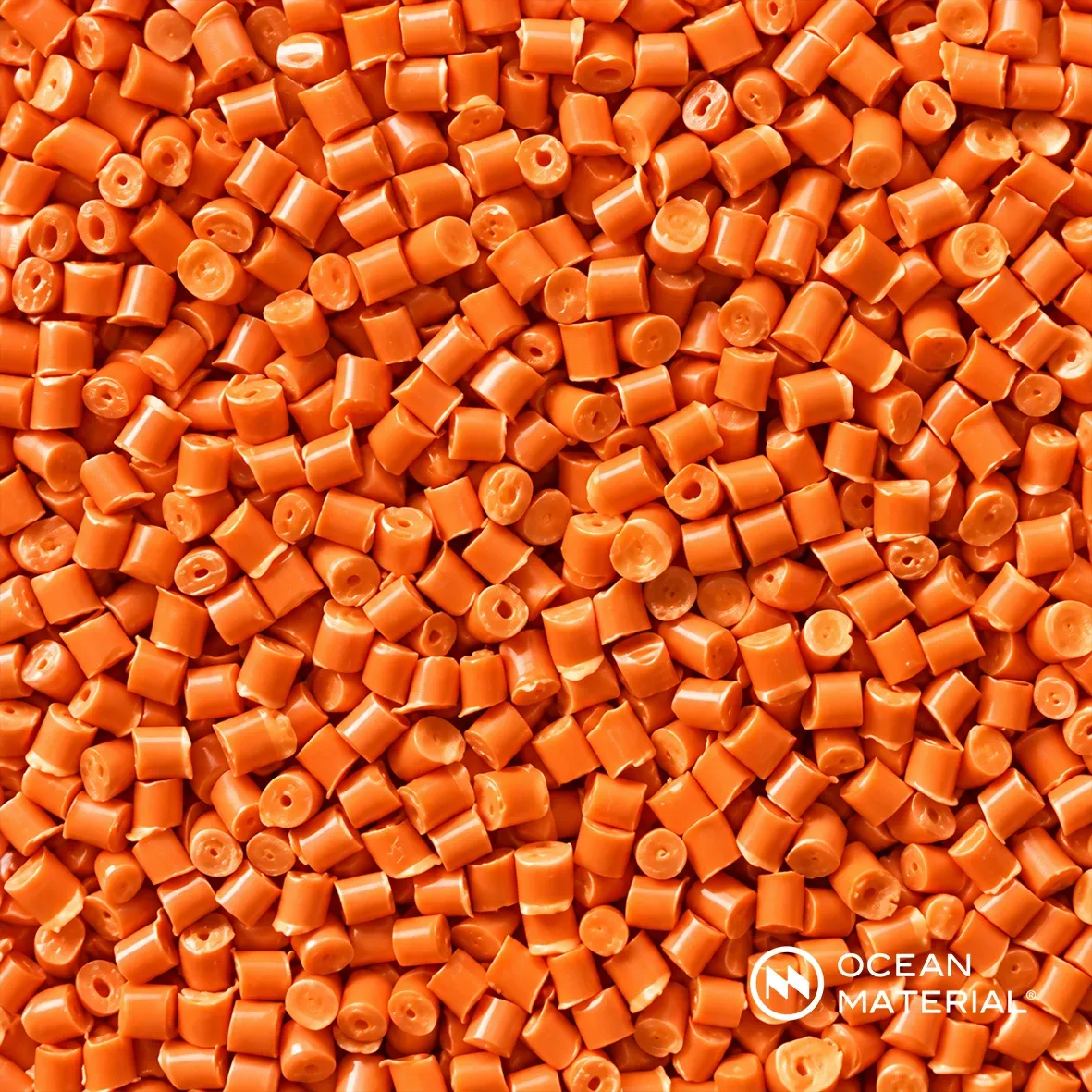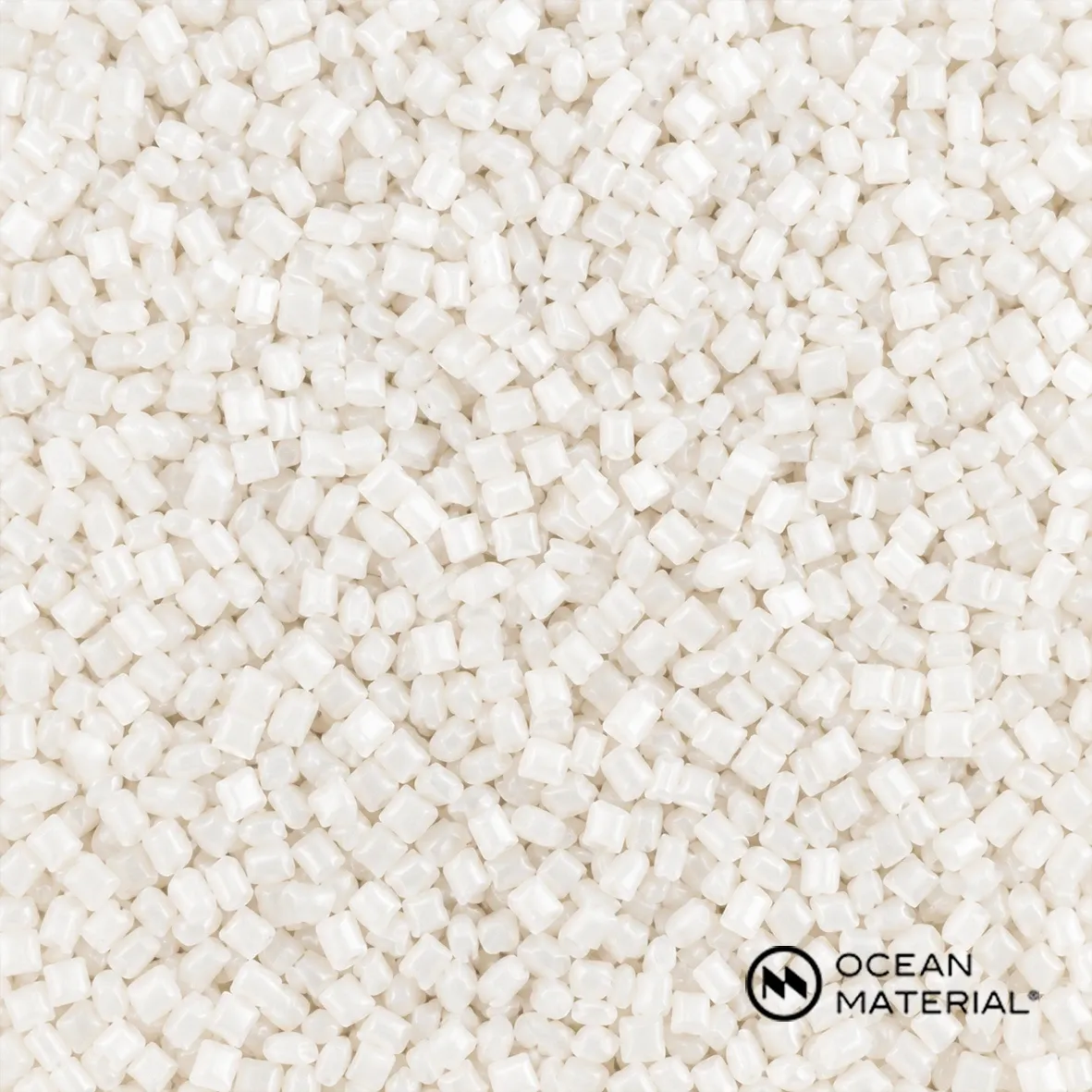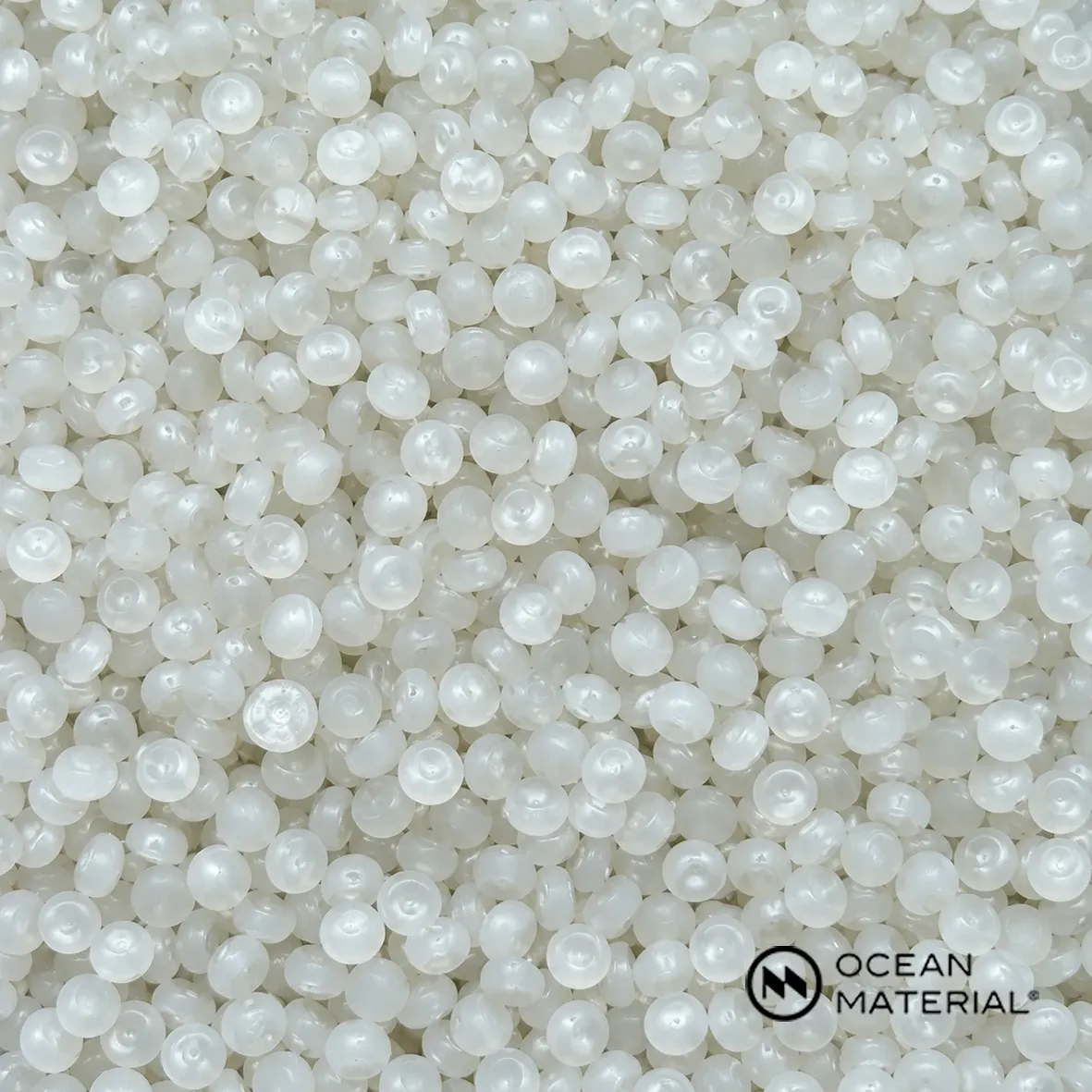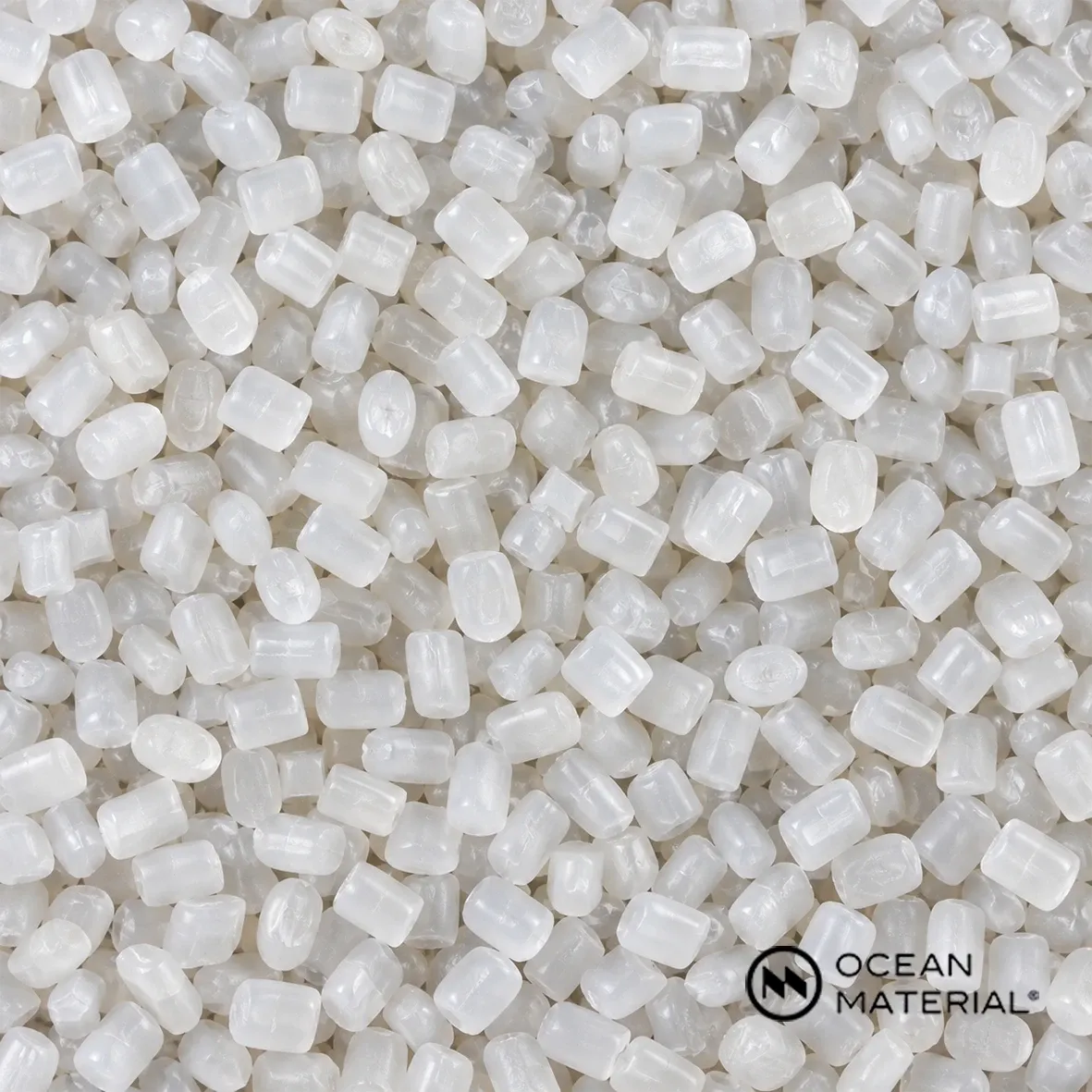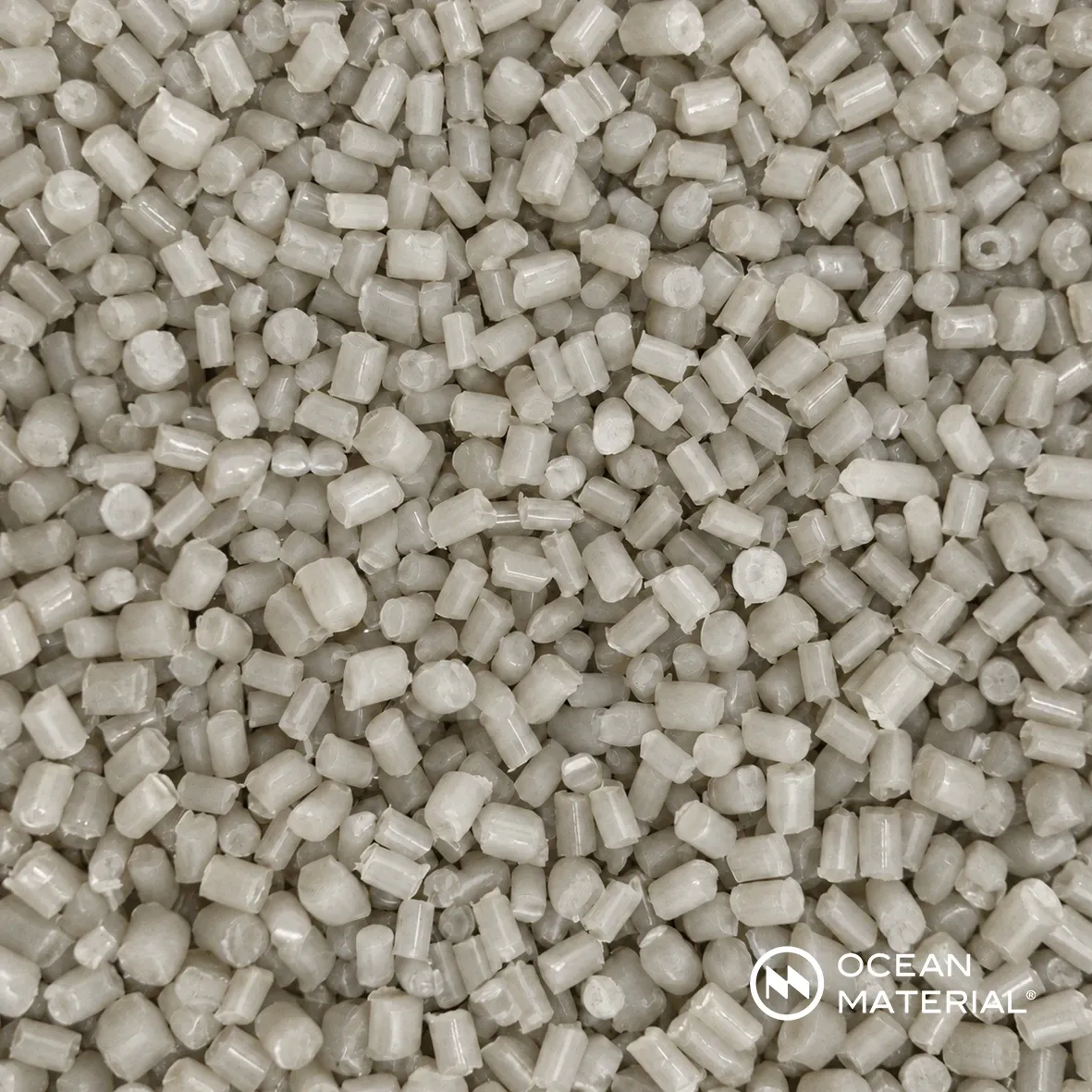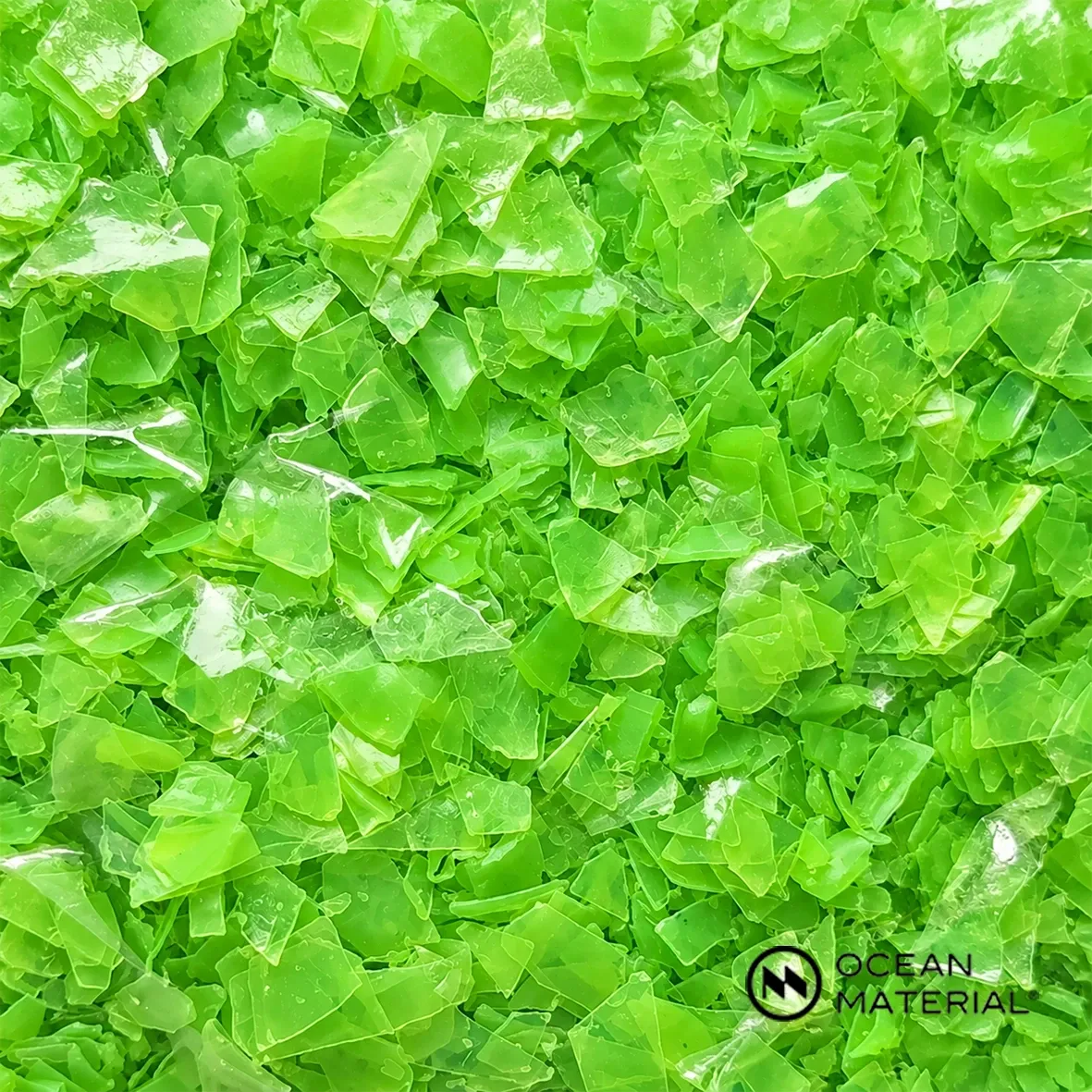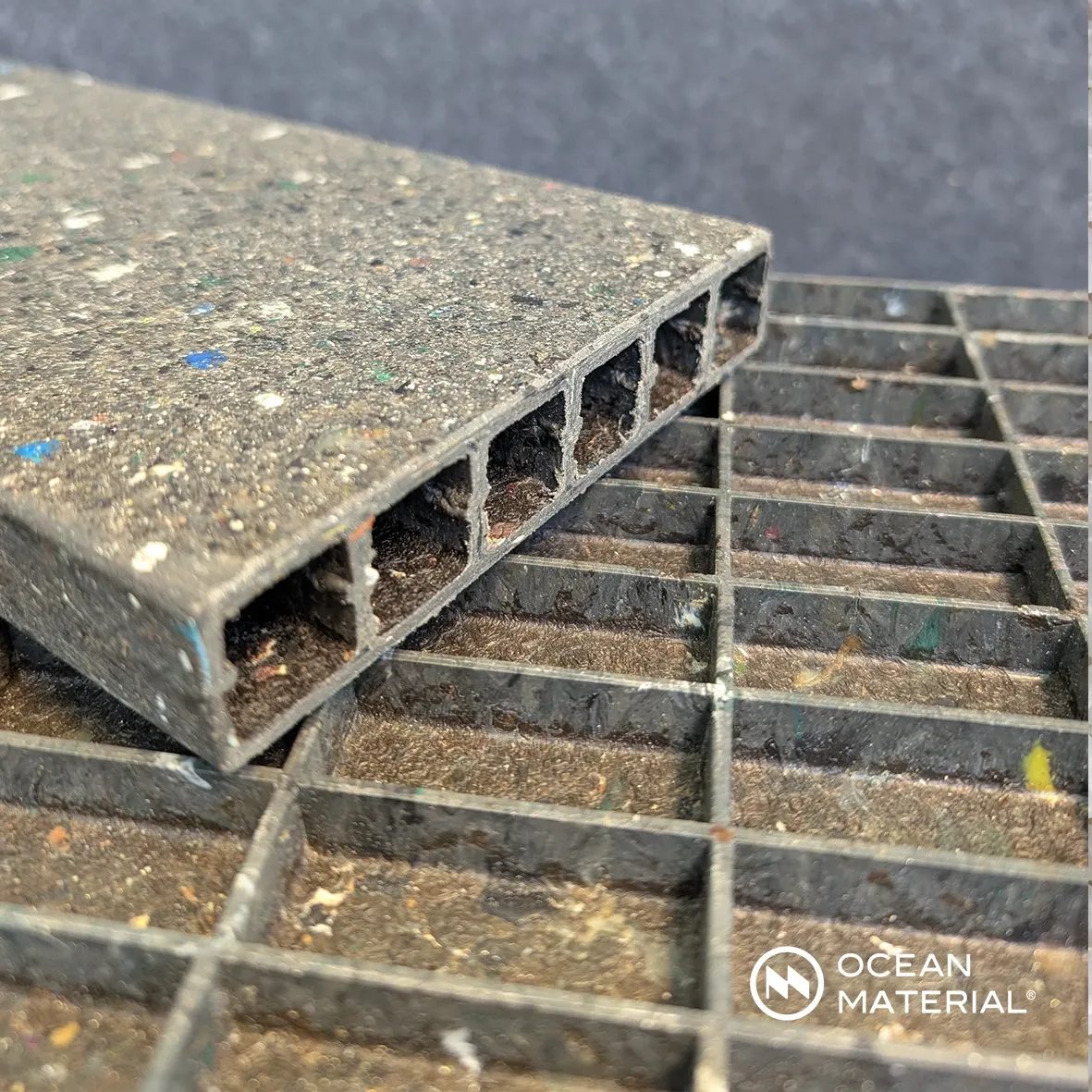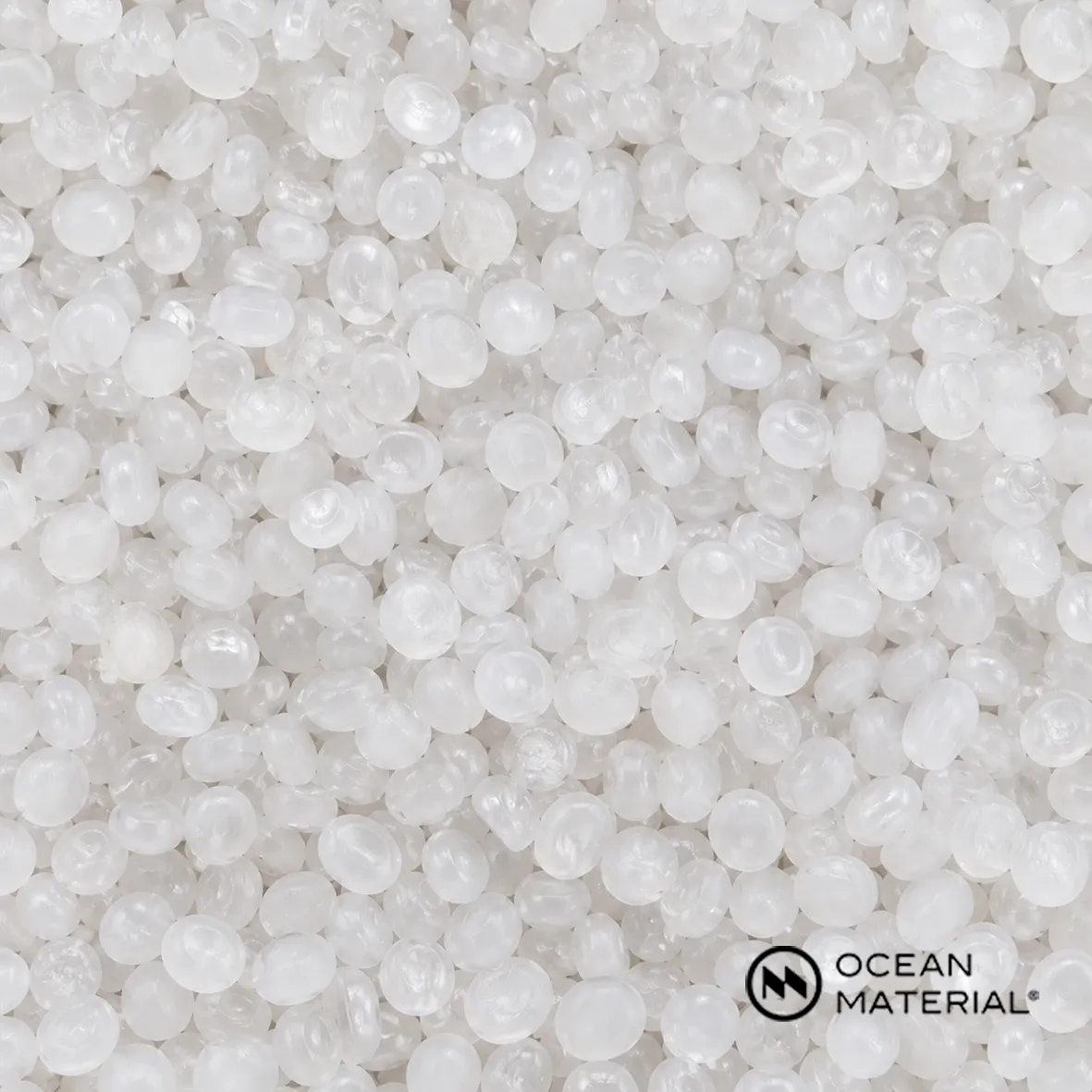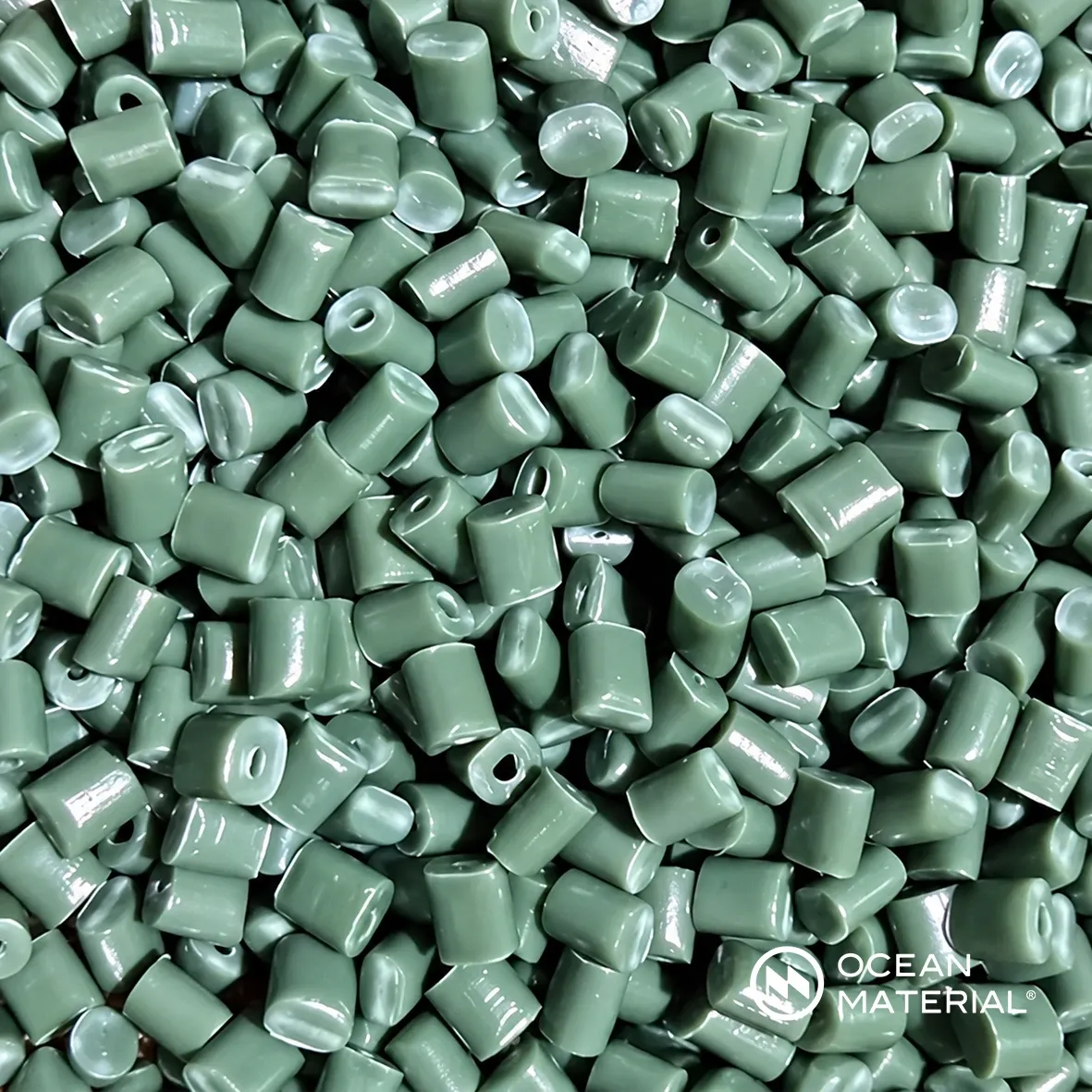
Natural-colour recycled PA6 pellets from fishing nets
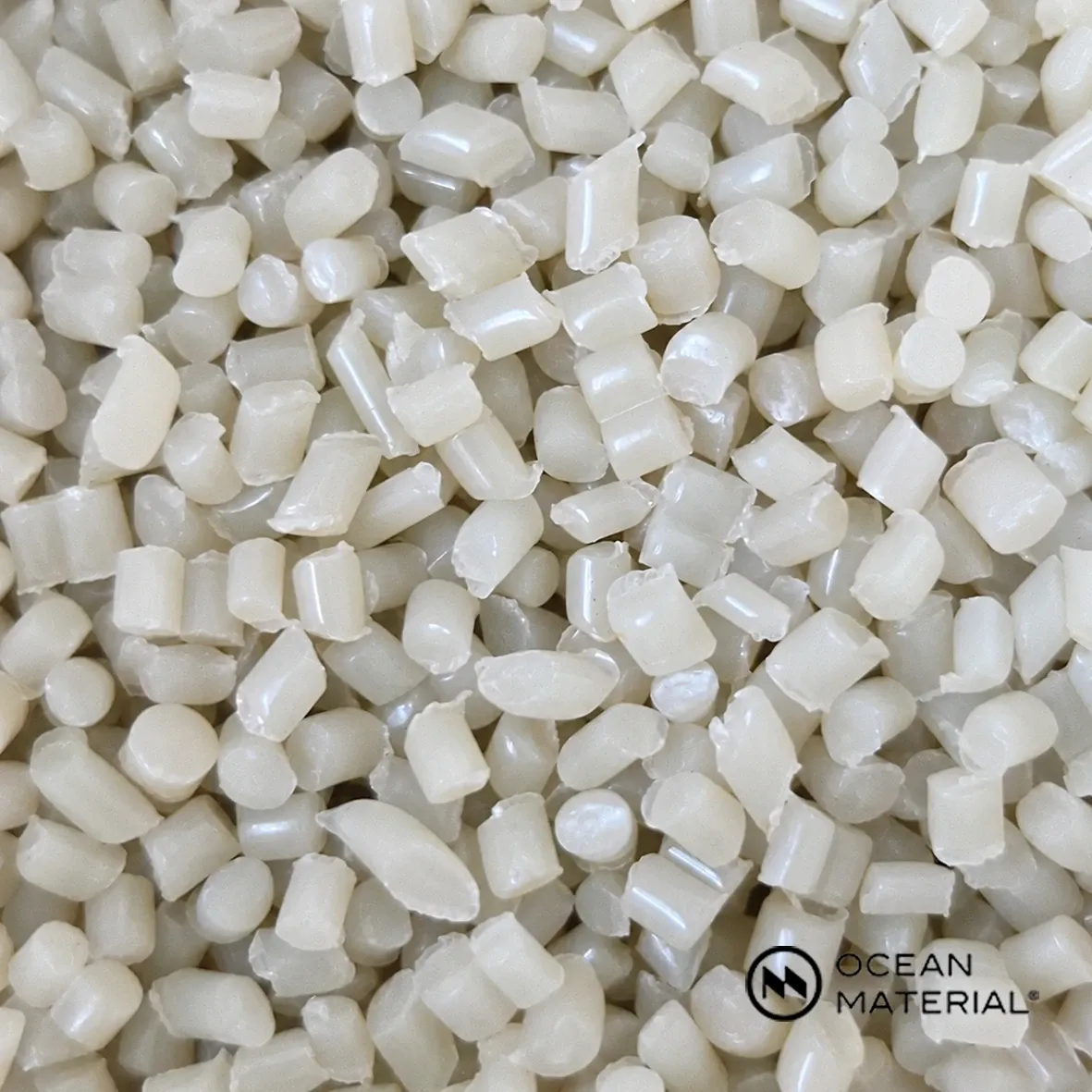
Recycled PA6 – Fishing Nets (Natural)
Granules

Explore recycled PET pellets and flakes, hollow and solid staple fibres, finished polyester yarns and fabrics. Post-consumer recycled (PCR) bottle materials are identified in the relevant offers; the range connects recovered PET with polymer processing and textile applications.
Tell us about your application and processing requirements. We can help assess the options.
20 products
No products are currently listed in this category.
Granules
Granules
Granules · Yarn-production grade
Granules · Yarn-production grade
Granules · Yarn-production grade
Granules
Granules
Granules
Finished yarn
Finished yarn
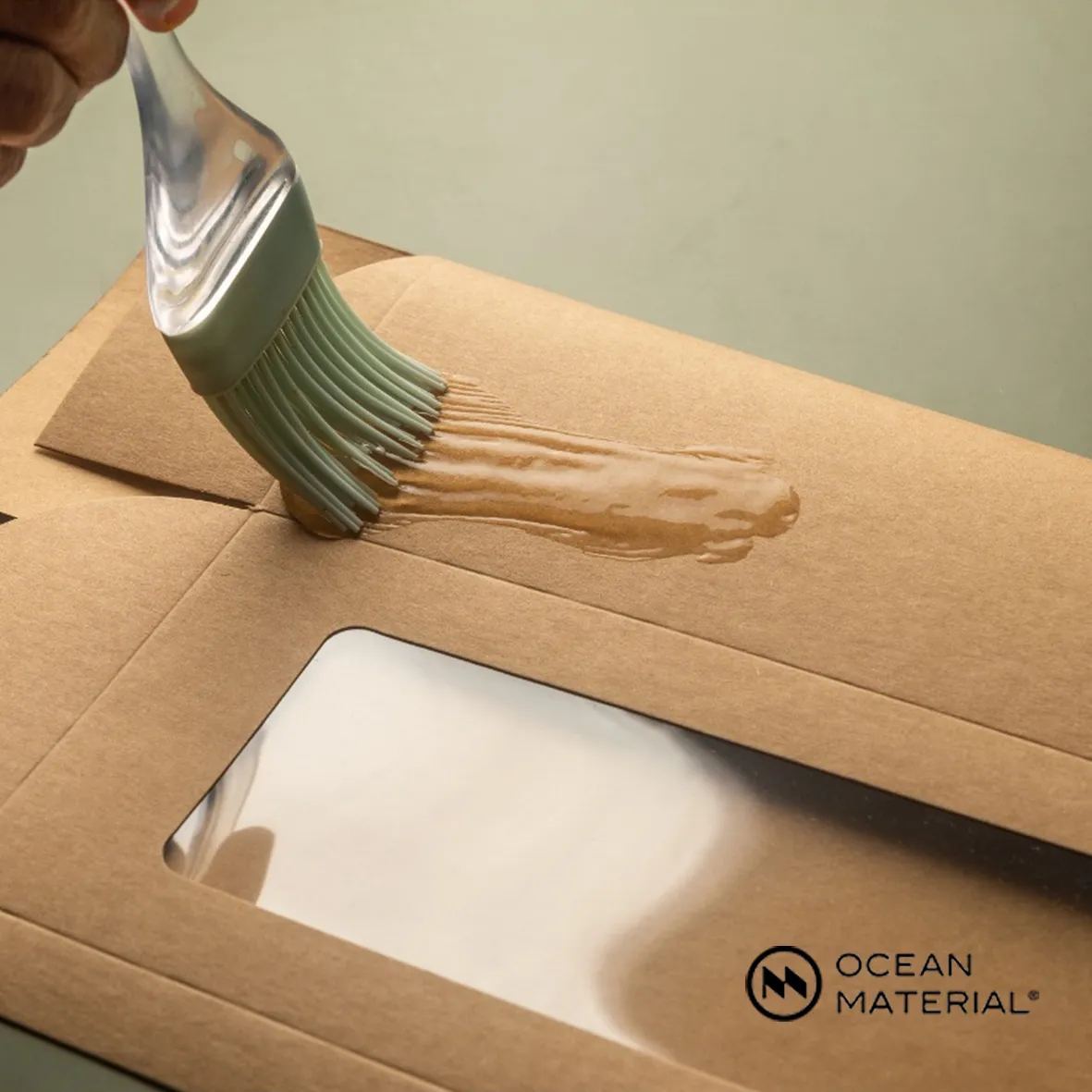
Coating formulation · Coated kraft paper
Flexible film
Not commercially available. Sampling, quantities and lead times to be confirmed.
Sheet
R&D · Not commercially available
Not commercially available. Sampling, quantities and lead times to be confirmed.
Granules
R&D · Not commercially available
Finished yarn
Granules
Granules
Granules
Flakes
Granules
Granules
Granules
Granules
Staple fibre
Staple fibre
Granules
Granules
Granules
Granules
Granules
Granules
Flakes
Flakes
Granules
Granules
Granules
Granules
Granules
Commercial supply under development. Sample orders accepted; quantities and lead times to be confirmed.
Granules
Commercial supply in development
Granules
Commercial supply under development. Sample orders accepted; quantities and lead times to be confirmed.
Granules
Commercial supply in development
Granules
Flakes
Prototype panels for selected development projects. Scope, quantities and lead times to be confirmed.
Sheet
Granules
Granules · Yarn-production grade
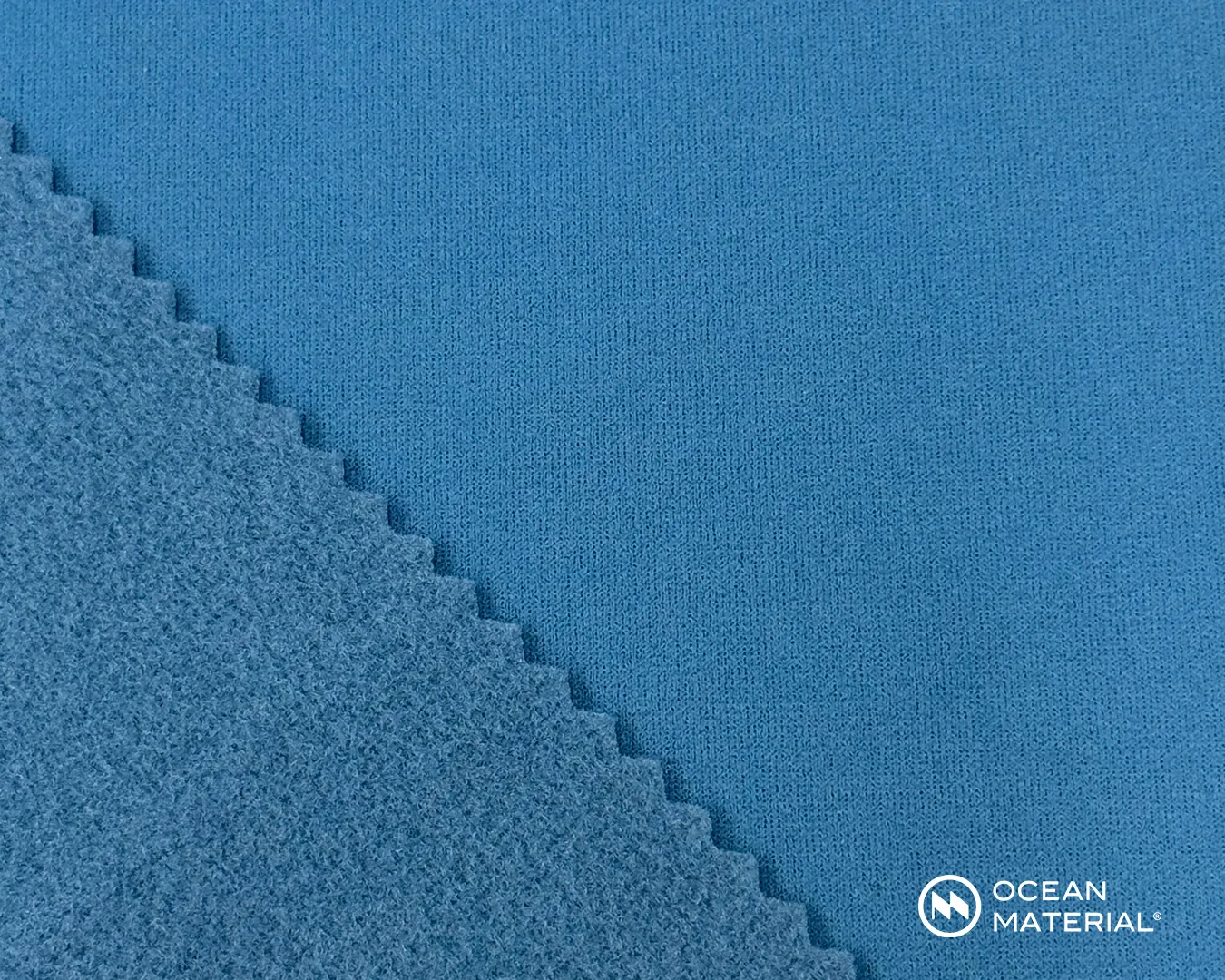
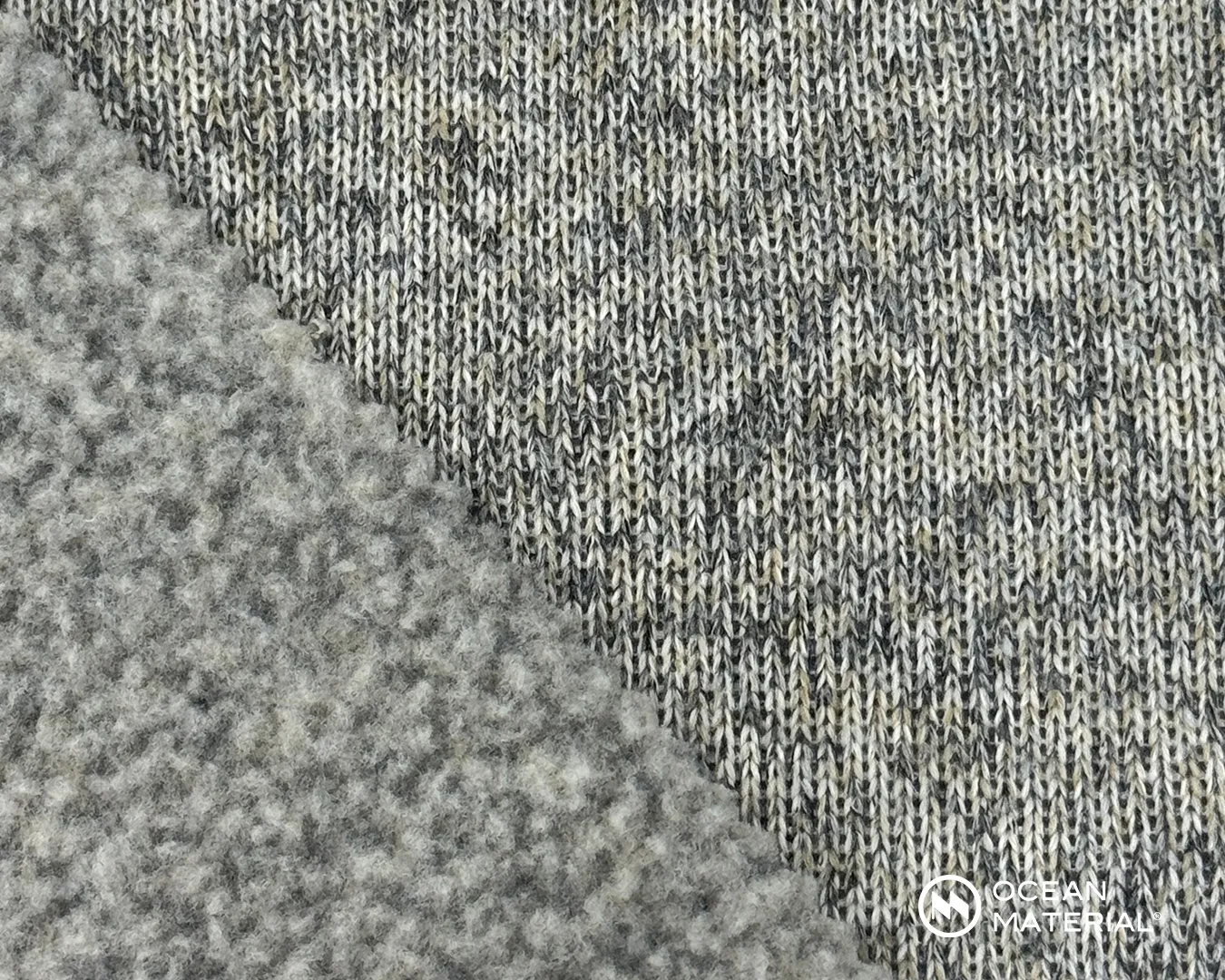
Finished fabric
Finished fabric
Finished fabric
Finished fabric
Finished fabric
Finished fabric
Finished fabric
Finished fabric
Finished fabric
Finished fabric
Finished fabric
Select flakes or pellets for further processing, staple fibre for fibre applications, or finished yarn and fabric. Polyester blends retain their stated nylon or elastane content.
Weaving, knitting, filling and polymer processing require different specifications. Ocean Material coordinates material selection and qualification around the selected form and your production process.
Review the PET grade or textile specification, feedstock origin and supporting GRS, RecyClass or source-certification scope stated on the product. Food-contact assessment is specific to the grade and intended use.
We offer rPET flakes and pellets for plastics processing, as well as polyester staple fibre, yarns and fabrics for textiles. Staple fibre is an option if you process fibres yourself. Weavers and knitters can start with yarn, while manufacturers who cut and sew can start with fabric. We help you select the material, develop the application and plan supply.
Flakes are pieces of shredded PET. To make pellets, the material is melted and pelletised. Start with the feed form your equipment can handle. Tell us your process and your requirements for colour, purity and intrinsic viscosity (IV) so we can identify suitable rPET flakes or pellets.
Yes. We offer polyester yarn for weaving and knitting as well as finished fabrics. For yarn, tell us the yarn count or linear density, for example in dtex, the yarn construction and the intended use. For fabric, share the fibre composition and product specification you need. Some textiles also contain nylon or elastane. Check the fibre percentages for the individual item.
No. rPET means the PET has been recycled. Post-consumer recycled (PCR) identifies material collected after end use. Ocean-bound plastic (OBP) describes plastic waste at risk of reaching the ocean. A PET grade can meet both descriptions. Our ocean-bound PET range for food packaging, for example, specifies post-consumer feedstock.
Yes. We offer food-grade rPET for packaging projects. Tell us the packaging format, food type, contact time and temperature, and target market. We can then review the appropriate grade and supporting documents with you. “Clear PET” describes appearance. Suitability for food contact depends on the documentation for the intended use.
IV stands for intrinsic viscosity. It helps you select a PET grade for your process. Our food-grade range covers several grades with IV values from 0.6 to 0.8 dL/g. If your process requires a specific IV or a narrow tolerance, we will check it against the specification for the individual grade.
Tell us the supply form, application, specification, sample quantity, order volume and destination. For packaging, include any food-contact conditions. For textiles, specify the construction and fibre composition. We gather the documents for the selected product and confirm sampling arrangements, minimum order quantity, price and lead time with you. Send your PET enquiry
Discuss your application, specification and expected volume with Ocean Material.