10 Scientific Solutions to Plastic Pollution
OCEAN MATERIAL | MAR 01ST 2022 | 14 MINS
10 Scientific Solutions to Plastic Pollution
This overview, published in 2022, brings together approaches that prevent plastic waste, measure pollution, collect debris or process recovered materials. They serve different purposes and range from laboratory research to field trials and established activities.
–
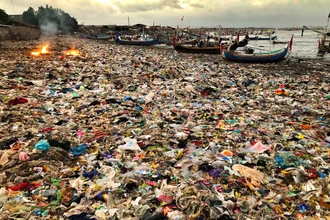
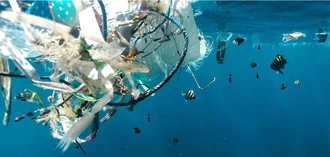
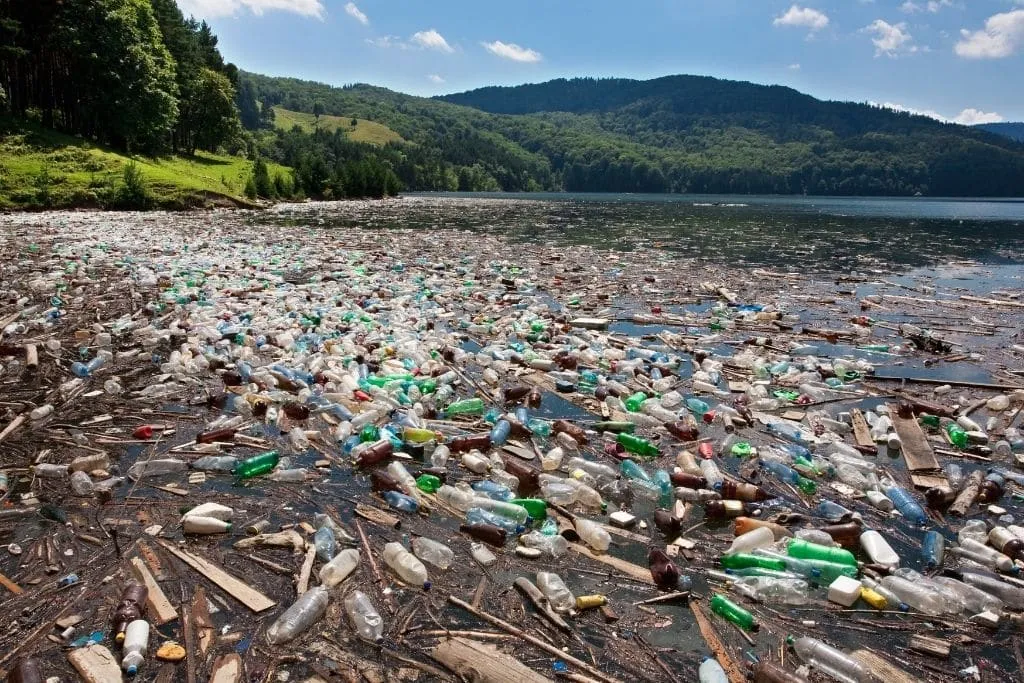
Plastic pollution is one of the most pressing environmental challenges the world faces today. Because most plastics don’t break down and dissolve easily, they slowly accumulate in our oceans and will take centuries to disintegrate, posing tremendous risks for aquatic life, human health and marine ecosystems. The 2016 New Plastics Economy report described a scenario in which ocean plastic could outweigh fish by 2050 if trends continued; it was not a certain forecast. (WEF, 2016)
The world’s rivers, oceans and seas have become convenient transport vectors and dumping sites for plastic waste generated by human activity. This pollution comes at a huge cost – from cleanup and repair efforts to the loss of tourism revenue and the societal impacts of degraded environments.
According to the OECD’s Global Plastics Outlook, the world generated 353 million tonnes of plastic waste in 2019. After recycling losses, 9% was ultimately recycled. Some believe that simply reducing plastic use will solve the problem. However, this does not address the plastic already polluting the ocean, and current policies have not proven effective – in fact, production is still increasing and projected to keep climbing.
But all hope is not lost. While individuals can make a difference by reducing plastic consumption, science and technology are helping us push the boundaries of what’s possible. Collective action is essential. In 1987, the Montreal Protocol was introduced to prevent further damage to the ozone layer. Over time, humanity phased out over 98% of harmful substances, preventing an estimated 2 million cases of skin cancer. If we could unite then, we can unite now to tackle plastic pollution.
1. The Ocean Cleanup
System 001 was a 600-metre floating collection prototype tested by The Ocean Cleanup in 2018. It encountered plastic-retention and structural problems; the revised System 001/B followed in 2019. These are historical development stages, not a description of the organisation’s current system or proof that its early five-year removal target was achieved.
2. NASA Satellite Technology
CYGNSS, launched in 2016 to study hurricanes, was used in a method reported in 2021 to infer microplastic concentrations from sea-surface roughness and wind data. It monitors patterns indirectly; it neither photographs individual particles nor removes plastic. See how the satellite method works and its limits.
3. Ocean Material
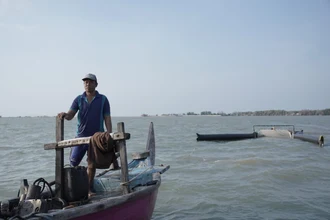
Ocean Material empowers coastal collector communities by creating effective, responsible supply chains. By working directly with these communities to source ocean plastic waste and transform it into high-quality materials for products like furniture, clothing, and packaging, Ocean Material promotes sustainable livelihoods and supports local economies. Their commitment to fair compensation and responsible sourcing ensures minimal environmental impact.
4. Plastic-Eating Enzymes
In Japan in 2016, scientists discovered a plastic-eating enzyme capable of breaking down PET (polyethylene terephthalate). Ideonella Sakaiensis 201-F6 secretes PETase, breaking PET into carbon for energy. Though slow, scientists have since modified this enzyme to degrade PET 20% faster.
5. Plastic-Eating Mushrooms – Biohm
The fungus Aspergillus tubingensis can degrade polyurethane. Biohm’s lead biotech engineer Samantha Jenkins found it consuming the plastic sponge used to seal it. As it digests plastic, the fungus proliferates, potentially producing biomaterials for food, feedstock, or antibiotics.
6. Magnetic Nanocoils
A 2019 laboratory study investigated catalytic degradation of cosmetic microplastics using functionalised carbon nanosprings under controlled oxidative conditions. It did not demonstrate safe, large-scale treatment of microplastics in the open ocean. Laboratory degradation results are not evidence that the process is harmless to marine life.
7. Licella Holdings – Cat-HTR Technology
Australian company Licella Holdings developed the Catalytic Hydrothermal Reactor (Cat-HTR), which uses high pressure and heat to break down mixed plastics into oils, waxes, and reusable plastics. While versatile, critics warn the process could produce further carbon emissions.
8. PlasticRoad
The PlasticRoad project in the Netherlands built bike paths and roads using 70% recycled plastic. More durable than asphalt and faster to install, these roads have a smaller carbon footprint and demonstrate circular design principles.
9. Evoware
Indonesian startup Evoware transforms seaweed into edible and dissolvable bioplastic packaging. Though promising, production is more costly than conventional plastics, and some packaging still uses additional plastic or paper layers.
10. Nicholas Institute – Plastic Technology Inventory
The Nicholas Institute catalogued 52 technologies to prevent or collect plastic pollution, including Germany’s Plastic Fischer Trash Boom and Canada’s Hoola One vacuum system. Their research emphasizes that prevention and collection are both urgent priorities.
Conclusion
Plastic Pollution is a monumental global issue – but with science, innovation, and collective will, we can transform the tide. Solutions exist. Now is the time to scale them.
Evaluating recycled materials for an industrial product
Recovered fishing gear provides a concrete material route to evaluate: PA6 pellets from end-of-life fishing nets and PP pellets from end-of-life fishing ropes in Natural, MFI 32 or Green, MFI 3–4. These feedstocks come from gear collected after its working life; they are not automatically lost fishing gear recovered from the ocean.
Discuss your application and material requirements with Ocean Material to review technical data, traceability documentation and sourcing options for the selected grade.
Explore more: