10 Plastic Pollution in the Ocean Facts You Need to Know
BY LUCI ELLIS | EARTH.ORG | Dec 12TH 2021 | 6 MINS
10 Plastic Pollution in the Ocean Facts
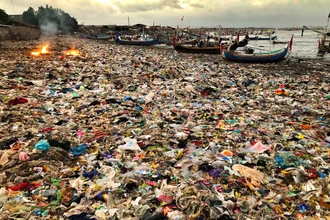
Plastic is cheap, versatile and extremely durable, which makes it a great material for many different things and why it has become such an essential part of our daily lives. However, our reliance on this material has created a global environmental crisis, harming our oceans and all life that lives in it. Here are just 10 plastic pollution in the ocean facts you should know about.
—
Eight million tonnes: a historical estimate of annual ocean plastic input
Jambeck and colleagues’ 2015 study estimated 4.8–12.7 million tonnes of land-based plastic entering the ocean in 2010. The often cited eight-million-tonne figure is a rounded historical estimate, not a current measurement. It does not describe how much of the sea surface is covered by plastic. (Jambeck et al., 2015)
Animals Mistake Plastic Waste for Prey
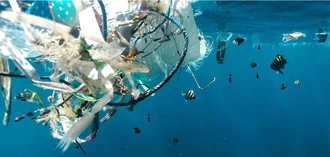
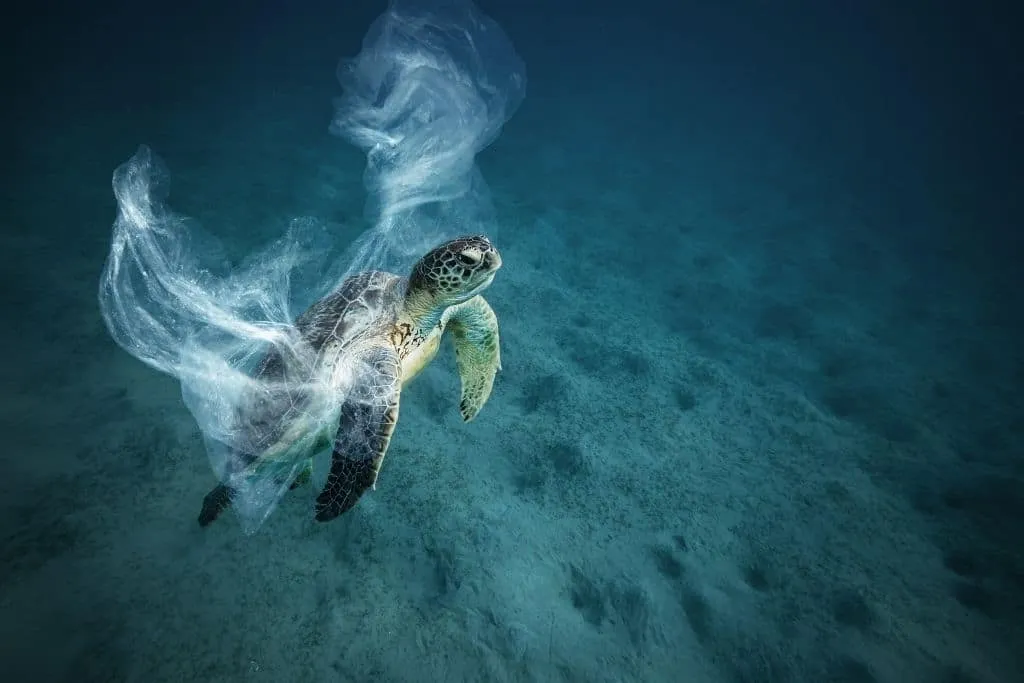
Plastic debris floating in the water can look a lot like food to animals. When an animal ingests plastic, it fills up their stomach and reduces the feeling of hunger, which prevents them from eating and dying from starvation. While plastics are already harmful as it’s made with toxic chemicals, free-floating pollutants in sea water can also accumulate on the surface, making it an extra deadly meal for marine wildlife. When marine organisms ingest plastic, these contaminants enter their digestive systems and accumulate in the food web over time. It is impossible to say how many animals die from ingesting plastic each year as not all dead animals are found and not all are examined, but the number of reported animals dying from ingesting plastic continues to climb steadily with each passing year.
3 Billion People in the World Depend on Fish as A Source of Protein
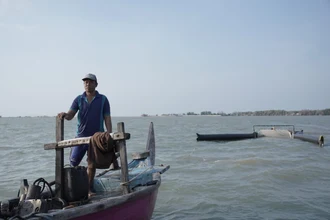
Ocean health is incredibly important, particularly for developing countries, as billions around the world depend on fish as their main source of food and income. Some coastal communities even rely on fish for 70% of their daily protein intake. Findings of microplastics in seafood are on the rise, threatening our food security and safety. The effects of consuming plastic-contaminated seafood are not yet known but roughly 210 commercially important species are known to have ingested plastic debris.
100,000 deaths: a historical estimate for marine mammals and turtles
UNEP’s 2011 annual report cited an estimated 100,000 turtles and marine mammals killed each year by plastic marine litter. This is a historical estimate, not a count of all marine animals found dead from entanglement. Lost and abandoned fishing gear can trap animals, hinder feeding and cause injuries or drowning; the total annual toll is difficult to measure. (UNEP, 2011)
Plastic Waste Facilitates the Transport of Marine Animals, Plants and Microbes to Non-native Regions
Plastic takes hundreds of years to break down and is particularly buoyant. This means that floating plastic can circulate for years before eventually reaching new shores. Marine animals, plants and microbes “hitchhike” on these plastic debris and can be deposited hundreds of miles from their native ranges, which increases chances of non-native species introductions. This is known as ‘ocean rafting’. Invasive species can be extremely disruptive for ecosystems as they are capable of out-competing native organisms for limited resources, introducing pathogens, altering habitats and consequently reducing biodiversity.
Plastic Increases the Effects of Climate Change
Plastics contribute to greenhouse gas emissions across their life cycle, including raw-material extraction, production and end-of-life treatment. Emissions from plastics weathering in the sea should not be confused with that overall footprint. Warming and ocean acidification threaten coral reefs. The IPCC’s 2018 report projected losses of more than 99% of warm-water coral reefs at 2°C of global warming; this is a scenario-based projection, not a measure of carbon stored by reefs.
Plastic Breaks Down into Microplastics
There is no single breakdown time for all plastics. Polymer type, sunlight, temperature and other environmental conditions matter. Fragmentation into microplastics is different from complete biodegradation or mineralisation; a smaller fragment has not simply disappeared.
50% of Plastics Produced are Designed to be Single-Use
It’s incredibly difficult to avoid plastics in the modern age. The majority of goods we consume are either made from plastic or come in plastic packaging, half of which are designed to be single-use only. It’s near impossible to find plastic-free alternatives. While companies and organisations need to do better and make it easier for us as consumers to reduce plastic waste, there are a few switches individuals can do to cut down day-to-day usage such as investing in reusables like water bottles, tote bags and coffee cups.
Ocean Plastic Pollution Is On Track to Triple By 2040
The estimate refers to annual plastic flows from 2016 to 2040 in a model published in 2020, not to the next 20 years from the date of reading.
One of the most shocking plastic pollution in the ocean facts is that that ocean plastic pollution is on track to triple over the next 20 years, according to a 2020 report. This could add up to 110 pounds of plastic trash for every meter of coastline worldwide, amounting up to 29 million metric tons of plastic waste per year by 2040. But experts say that the volume could be slashed significantly if we reduce the growth of virgin plastic production, improve waste collection systems across the globe, and invest in the creation of plastic materials that are easier to recycle.
The Ocean Absorbs Nearly 30% of Global Carbon Emissions
The policy examples below describe announcements reported in 2021, not a check of current legislation.
The ocean is our biggest ally in the fight against climate change, as they can absorb and store nearly 30% of global carbon emissions. It is crucial we ensure it stays healthy. Governments are starting to wake up to the plastic crisis and an impressive number have already taken action against plastic pollution. Following their ban on plastic bags in 2019, New Zealand has now pledged to phase out single-use plastics including straws, cutlery and cotton buds, PVC and polystyrene drink and food packaging by 2025. India has also promised to ban the manufacturing and use of single-use plastics from July 2022.
This article originally appeared on Earth.Org and is republished here as part of an editorial agreement.
Explore more: