15 Ways to Reduce Plastic Waste
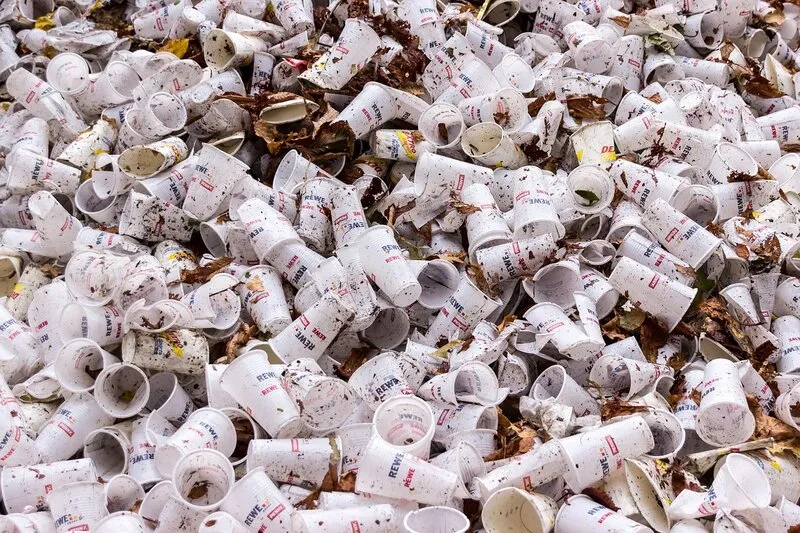
EARTH.ORG | JAN 12TH 2021 | 3 MINS
15 Ways to Reduce Plastic Waste
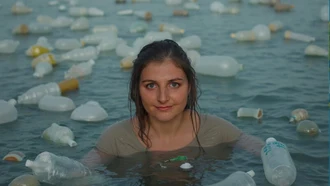
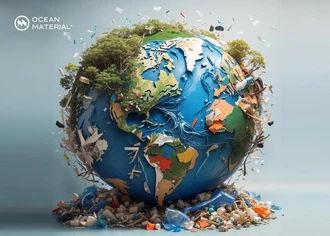
Plastic has become a huge part of our daily lives. While it no doubt makes our lives easier and more convenient in many ways, it has led to a tsunami of plastic waste that no one is quite sure what to do with. Its omnipresence may make it difficult for us to give it up; it requires not only a change in habits, but also a change of mindset. Thankfully, organisations and governments around the world are proposing measures to reduce their impact on the environment. In 2021, the EU introduced market restrictions for certain single-use plastic products, including plastic cutlery and straws. But there are things that we can do in our personal capacity to curb the rise of the plastic tsunami. Here are 15 ways that you can reduce plastic waste.
—
Plastic waste: dates and context
- In 2018, UNEP-WCMC reported that about one million plastic drinking bottles were purchased worldwide each minute. This is a historical consumption figure, not a current count of bottles produced. (UNEP-WCMC, 2018)
- A 2016 report used an estimate of 150 million tonnes of plastic accumulated in the ocean in 2015—not all types of marine waste. (WEF, 2016)
- The 2016 New Plastics Economy report described a scenario in which ocean plastic could outweigh fish by 2050 if trends continued. It is not a certain forecast. (WEF, 2016)
- According to the OECD, global plastic waste reached 353 million tonnes in 2019.
- Single-use products can have a short useful life, while plastic fragments persist much longer. There is no universal use time or breakdown time for all plastics.
15 actions for everyday life
-
Avoid single use plastics- plastic straws, plates and cutlery make our lives easier, but they have a serious impact on the planet. Instead, use metal or bamboo alternatives.
-
Buy in bulk- disposable containers are ubiquitous (polystyrene trays, PET bottles, tetra paks, plastic containers, etc) but more and more stores are offering the possibility to buy foods like cereals and rice in bulk.
-
Use reusable containers you already own for food storage instead of repeatedly buying single-use bags or wrap. Follow the container’s instructions for food, heating and storage.
-
Take a cloth bag when you go shopping
-
Shop at a local farmers market- Farmers markets are a great way to buy fresh, local produce without plastic, as long as you remember to bring your own bags.
-
Keep using reusable food containers while they remain suitable for their intended use. Choose a durable replacement only when needed.
-
Put your plastic waste in the correct recycling container
-
Avoid using cosmetics that use microplastics
-
Buy less clothing, and wash them only when necessary- a single wash can cause 700 000 bits of microplastics to be released into the environment
-
Use clothing for longer, repair it and choose durable items when replacements are needed. A fibre’s water use and service life cannot be judged from the word “natural” alone.
-
Use a refillable water bottle
-
DIY your cleaning products- use a mixture of 1 part vinegar to 3 parts water as an all-purpose spray cleaner (storing it in a reused spray bottle) and produce wash.
-
Try natural beeswax coated cloth wraps instead of plastic cling film
-
Buy necessary plastic items used instead of new
-
Compost food waste to avoid plastic garbage bags
These are just some of the small, but effective ways to reduce your plastic waste impact on the planet. If everyone were more mindful of the plastic waste crisis plaguing the planet, we could start to undo some of the damage we’ve done in the name of convenience.
This article originally appeared on Earth.Org and is republished here as part of an editorial agreement.
Further reading: Which plastics can be recycled?
Explore more:
- Discover our materials
- Read more articles in the blog
- Learn about our mission
- 🇩🇪 Lesen Sie diesen Artikel auf Deutsch
- 🇨🇳 阅读中文版
Questions and answers
Should I replace plastic items I already own?
Start by using what you already have. Keep reusable items in service when they remain suitable for their intended use, and repair them where practical. Buy replacements when you need them, rather than discarding useful products simply to switch materials. Avoiding unnecessary purchases and repeated single-use items is a practical place to begin.
Link to this answerHow do I find the right recycling route for an item?
Check the current guidance from your local waste service or collection scheme for that specific item. Material type, product form and local facilities all matter; a plastic identification code alone is not a collection instruction. Follow the local guidance on emptying, separating and preparing the item instead of assuming every plastic belongs in the same bin.
Link to this answerSources and further reading: US EPA: What You Can Do About Climate Change — Waste · US EPA: Plastic Recycling and Composting