01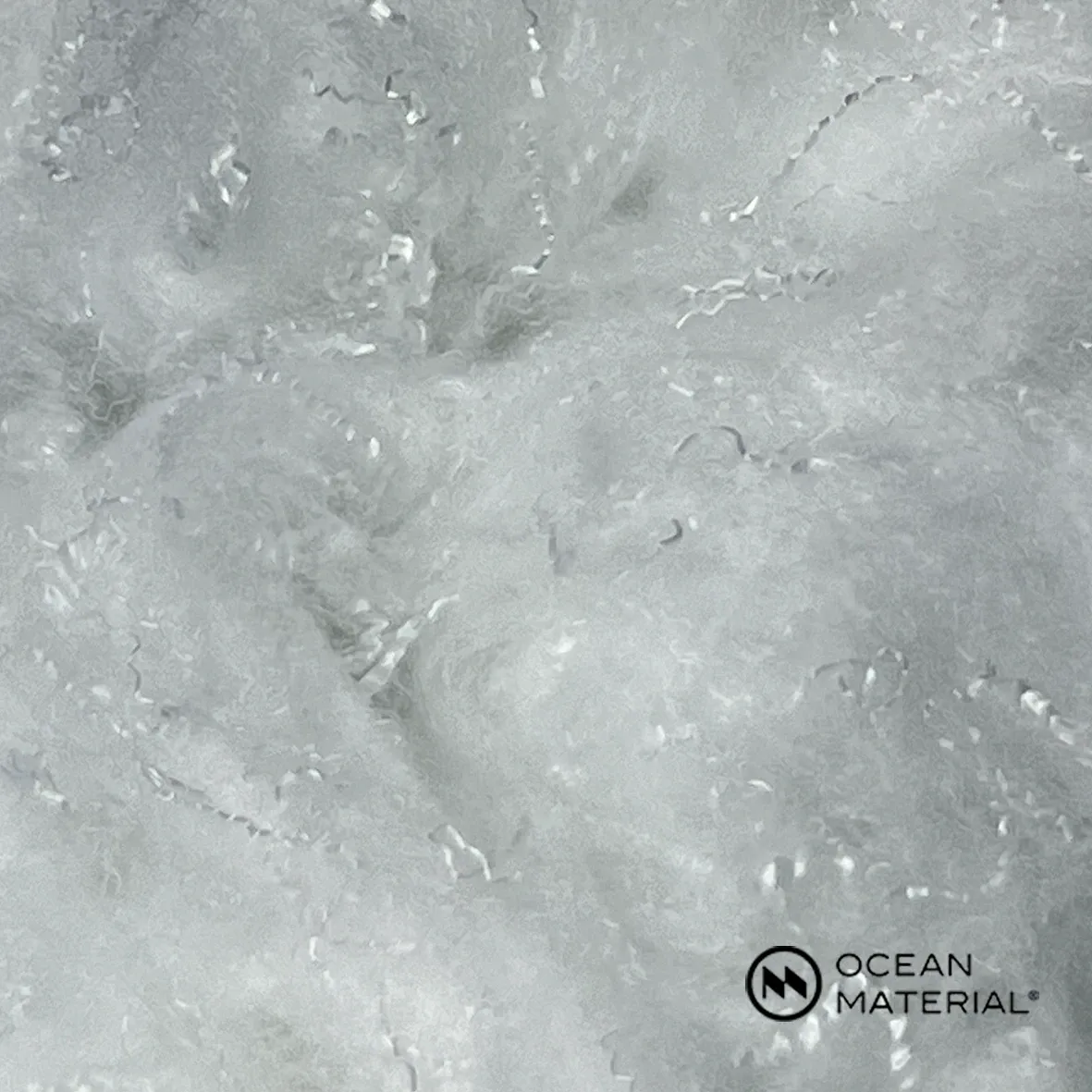
FOR SPUN-YARN PRODUCTION
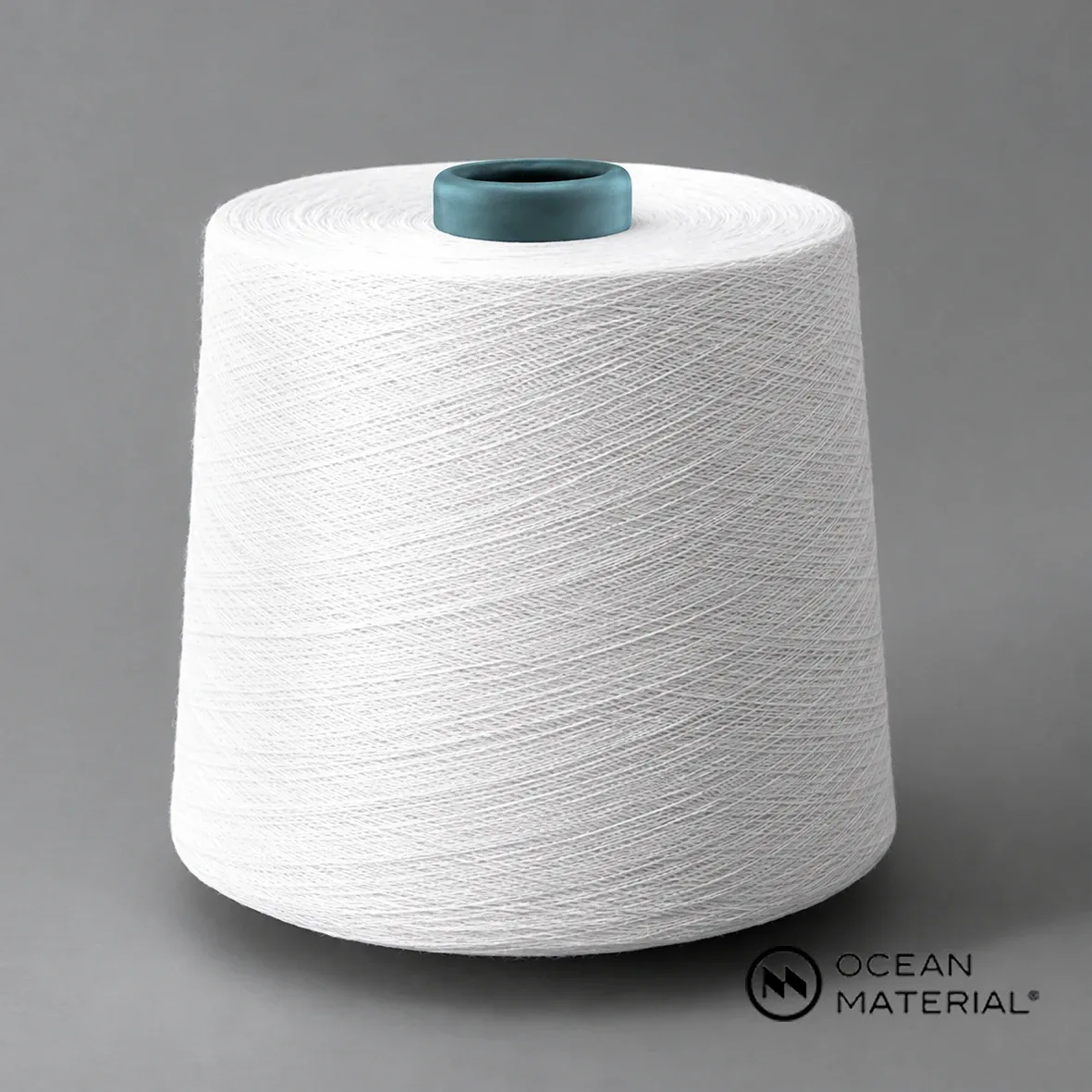
Solid staple fibres
Explore the listed 1.5D solid, non-siliconised polyester fibre. Match cut length and fibre specification to your spinning process and downstream textile requirements.
Explore solid fibres
MATERIALS / RECYCLED PET FIBRES
Explore solid and hollow conjugated polyester staple fibres made from recovered ocean-bound PET bottles. Ocean Material helps you match fibre structure, fineness and finish to your application, then coordinate samples and supply.
FIND YOUR FIBRE
Compare solid fibres for spun-yarn production with hollow conjugated fibres for filling and cushioning. Match fineness, cut length and finish to your process.
FOR SPUN-YARN PRODUCTION
Explore the listed 1.5D solid, non-siliconised polyester fibre. Match cut length and fibre specification to your spinning process and downstream textile requirements.
Explore solid fibres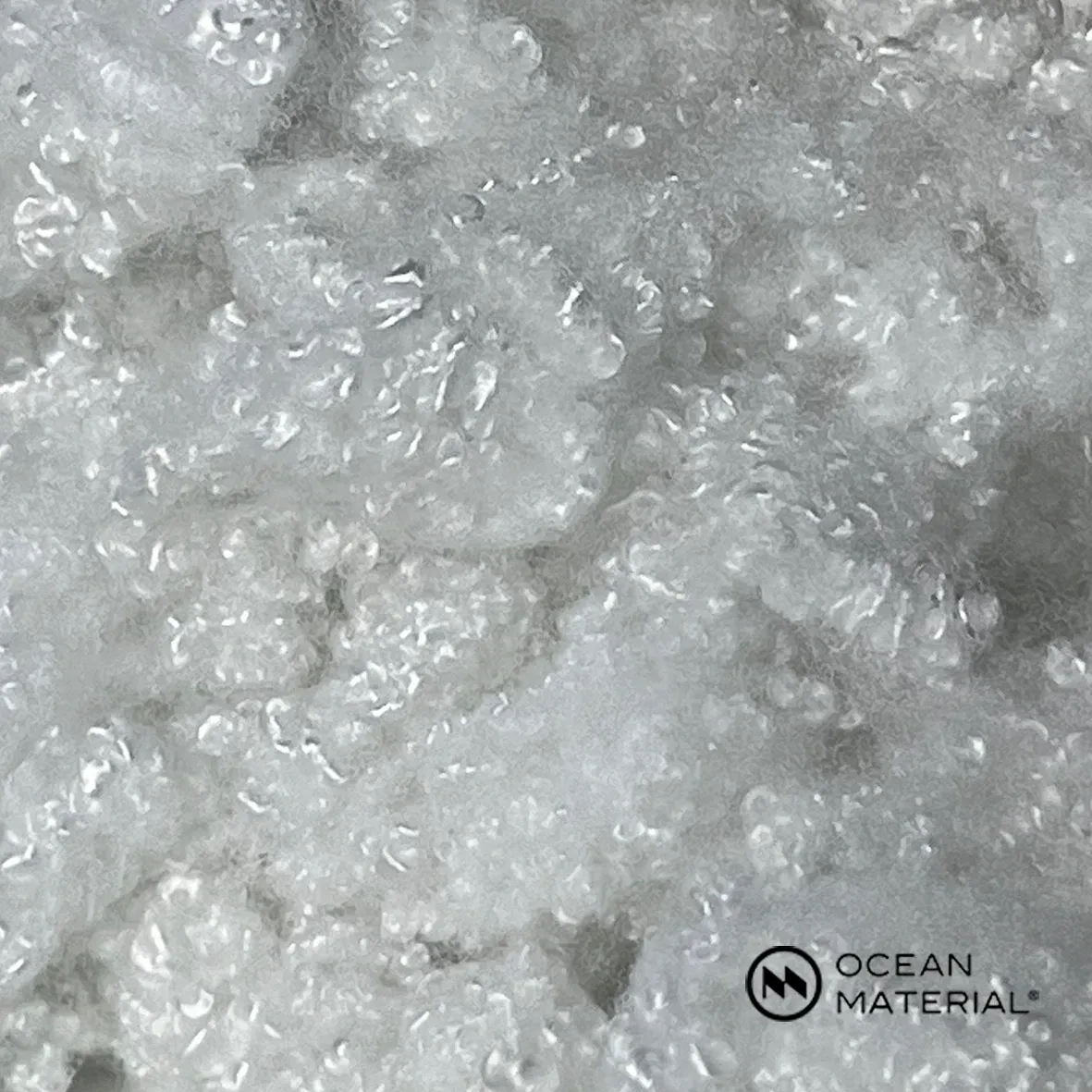
FOR FILLING & CUSHIONING
Compare the listed 3D, 7D and 15D hollow conjugated fibres for filling, wadding and cushioning. Confirm finish, cut length and performance for your application.
Explore hollow fibresTell us about your application and processing requirements. We can help assess the options.
2 products
No products are currently listed in this category.
Not commercially available. Sampling, quantities and lead times to be confirmed.
Not commercially available. Sampling, quantities and lead times to be confirmed.
Commercial supply under development. Sample orders accepted; quantities and lead times to be confirmed.
Commercial supply under development. Sample orders accepted; quantities and lead times to be confirmed.
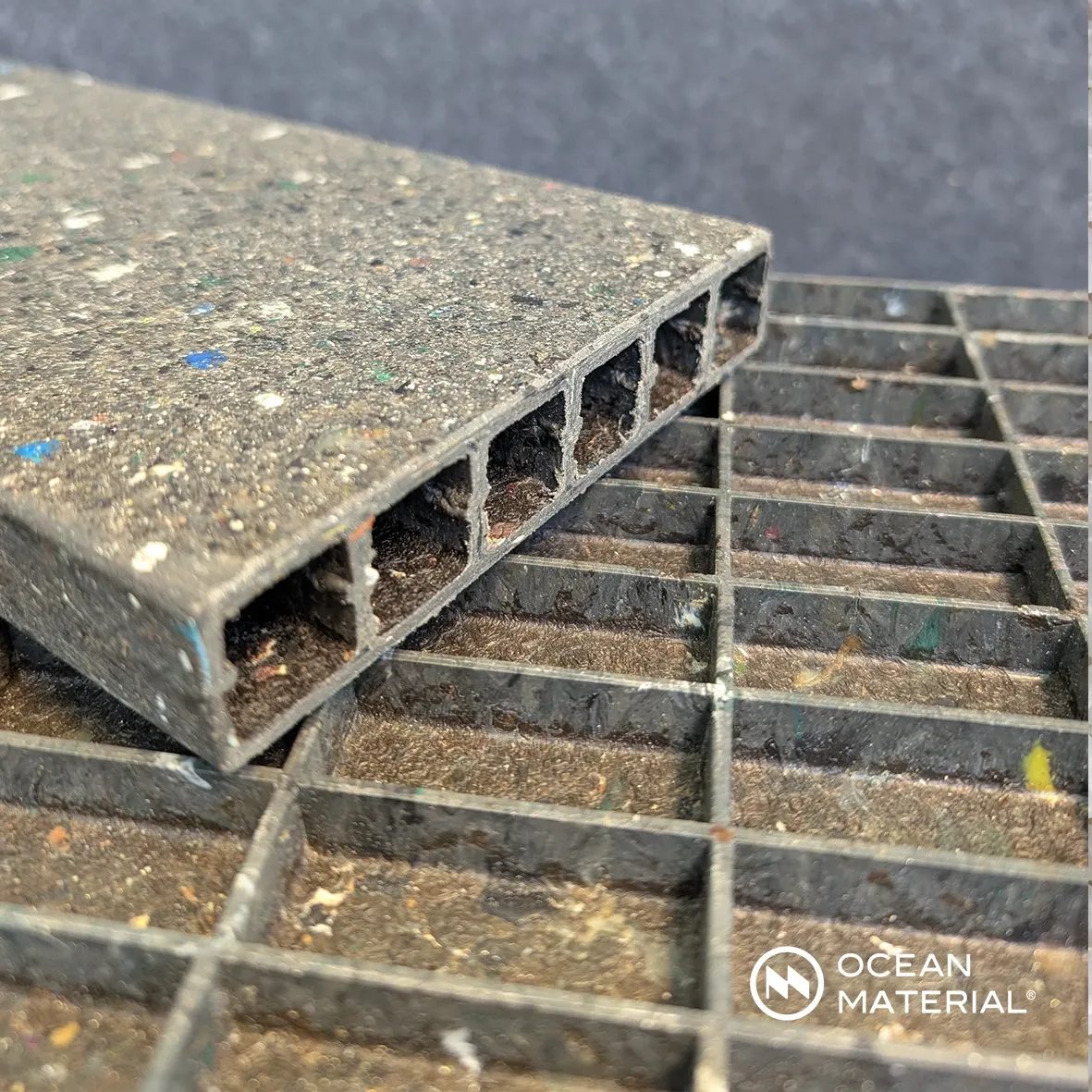
Prototype panels for selected development projects. Scope, quantities and lead times to be confirmed.
KNOW YOUR MATERIAL
Share your process, target fineness, cut length, finish, quantity and delivery destination. Technical data sheets (TDS), detailed specifications and origin documentation are available on request.
Looking for finished yarns instead?Tell us what you are making, how you process the fibre and which properties matter.
Review the selected fibre specification and agree samples for evaluation in your process.
Confirm the variant, documentation, quantity and delivery requirements along the supply chain.
BEFORE YOU SPECIFY
Clear information for your next fibre enquiry.
LET’S TALK MATERIALS
Tell us about your process and fibre requirements.